Restaurant Review – Anila

I have a theory so please bear with me; I think if you want to enjoy the best pasta outside Italy you go to a restaurant with an Italian head chef. If you want the best Paella you visit a restaurant with a Spanish chef, and if you want an authentic Indian meal, you go to a restaurant with a genuine Indian head chef. And so, we visited Anila on the main A6, Derby to Matlock road, not very far from our home this is a favourite restaurant of ours where we find the food is consistently very good. The welcome here is always warm and polite, the atmosphere relaxed and the tables well spaced. Comfortable seating and pleasing décor all contribute to a very pleasant dining experience. The chef at Anila has over 40 years of experience and so it goes without saying that the kitchen is efficiently run and the food is very well presented. We were dining on a Tuesday evening and the restaurant was buzzing nicely. We ordered our drinks and were happy to have non-alcoholic as Anila do not serve alcohol, although our waiter offered to de-cork any wines or beers that we had brought. We sat and looked through the menu which was refreshingly clear and easy to understand. Separated into clearly defined sections of Indian Ocean Delights, Clay Oven Specials and Vegetarian Delights with extras also clearly listed. While we waited for our starters, we dipped into our pickle tray with crisp rounds of Poppadoms. We shared a delicious Seafood Platter for 2 as our starter, which gave us a taste of a few different foods. I especially enjoyed the King prawns, dipped in a very light batter and the Hot Chilli Fish in a slightly sweet but tangy sauce, also chunks of salmon in Tikka spices just fell apart. All was served with a wedge of lemon and a fresh mixed salad, and on a personal note I think I would choose this as my main course on my next visit. Straying away from my usual Chicken Tikka Special, I ordered the Kandhari Lamb Chops. Cooked in a clay oven, a selection of small chops, lightly charred by the charcoal grill and coated with a mix of Indian spices which infused the meat were again served with a mixed salad. The beauty of this dish for me was that the sauce was served separately and so I could choose a mild Korma which suited my palate perfectly. The Pilau rice was light and buttery and the Naan bread very soft. Being much more adventurous mas the proportions were very generous. This is a medium dish which suited him well. The aromatic Basmati rice, garnished with strips of pepper and a twist of lemon along with seasoned spices was a meal in itself, however inside were delicious chunks of chicken, onion, potato and peppers. Spooning the Biryani sauce (which was full of soft roasted vegetables) over the top made this a tremendous meal. Pleasantly full we sat back and mulled over the events of the day with a coffee. We often order a takeaway from Anila to take home and share with friends, but to dine in was a very different experience. To be welcomed by Adil and served by Aram who kindly and patiently pointed us to try new dishes, was delightful and a completely different experience to eating at home. We thank them for giving us such a welcome treat in the middle of our week. Contact Information:Anila Indian Dining, 1331 Matlock Road, Ambergate, Belper, DE56 2EL Tel: 01773 462631 Opening Hours Mon – Closed(Except Bank Holidays) Tue – Thur – 5PM – 10.30PM Fri – Sat – 5PM – 11PM Sun – 5PM – 10.30PM Anila only serve soft drinks but you can bring your own alcohol and they’ll provide glassware.(Please don’t bring your own soft drinks.) 00
Tui Marella Cruises
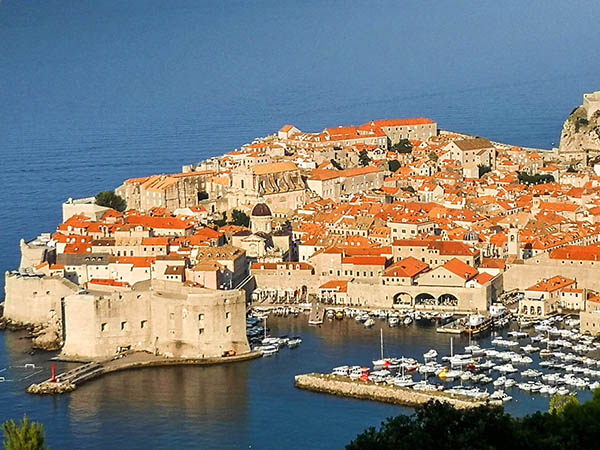
with Martin’s World Travel Discover the World with Marella Cruises – All-inclusive cruising to over 100 unforgettable destinations. Set sail on an adventure of a lifetime with Marella Cruises, operated by TUI, one of the UK’s most trusted travel brands. Whether you’re dreaming of sun-drenched beaches, ancient cities, or volcanic islands, Marella offers something for every kind of explorer — and it’s all included. A personal experience / overview by Julie, Senior Travel Consultant, Martins World Travel – Bolsover “Embarkation and Disembarkation when visiting ports of call was very efficient, so smooth and stress free. My itinerary had only one day at sea so more ports of call on my 7 night itinerary, 5 on this cruise, which suited my love of exploring new sites and places. Sailing from and to Limassol I visited 3 different countries, Cyprus, Greece and Turkey. Excursions were very well organised and a great way to experience the best of the ports of call. Good value too. Something for everyone – I watched Gary Barlow(tribute) in the live lounge, played Who wants to be a Millionaire in the Slug & Anchor and enjoyed dancing in Bar 11 – a contemporary cocktail bar. The Glasshouse offers a covered pool area with couple sized Balinese beds and hot tub – a very sedate chilled vibe, restyled to look like a trendy beach club. In the evening enjoyed tapas and similar delicacies with beautiful views. The elevated dining in the two speciality restaurants is exceptional and definitely 5 star dining…a must when on Marella. I indulged in the Spa and Beauty salon and was made to feel very special…such lovely ladies and the perfect tonic/treat. Sunbathed in the adults only ‘Veranda’ located at the stern of the ship…amazing views and impeccable waiter service. Marella is all inclusive and takes all the stress out of huge on-board bills” Sample cruise itineraries: Eastern & Western Mediterranean: Soak in the history and beauty of Croatia, Cyprus, Greece, Italy, Montenegro, Slovenia, and Turkey. Western Mediterranean: Experience the glamour and culture of France, Gibraltar, Italy, Malta, and Spain. Caribbean Escapes: Relax in paradise with stops in Aruba, Barbados, St. Lucia, Guadeloupe, Trinidad and Tobago, and the Dominican Republic. Canary Islands & Atlantic Adventures: Explore dramatic volcanic landscapes, charming villages, and black-sand beaches in the Canary Islands and beyond. With nearly 30 years of cruising expertise, Marella is known for its friendly service, diverse routes, and great value — making it a top choice for first-time cruisers and seasoned sailors alike. One of the standout features of Marella Cruises is its all-inclusive standard. Here’s what you can expect on board — all at no extra cost: Dine your way across at least four restaurants, offering everything from world cuisine to local flavours. Enjoy a wide selection of alcoholic and non-alcoholic beverages, included throughout your cruise. Be dazzled by West End-style shows, catch live music, or take part in interactive gameshows. Join in on table tennis, shuffleboard, fitness classes, and other daytime fun. Flights from over 20 UK airports, plus transfers to and from the ship, are all part of the package. Travel stress-free with 20kg hold luggage included when flying with TUI Airways. Whether you’re chasing sunsets in Santorini or beach-hopping through the Caribbean, Marella Cruises lets you do it all — without the hassle and with everything taken care of. Why Choose a Canary Islands & Atlantic Cruise? Sail into a world of dramatic landscapes, cultural treasures, and sun-soaked shores with a Canary Islands and Atlantic cruise. These Atlantic gems are more than just a beach escape — they’re a playground for adventurers, history lovers, and sun seekers alike. The Canary Islands are known for their otherworldly volcanic terrain and unique black-sand beaches, offering a backdrop that feels straight from a sci-fi film. Whether you’re looking to unwind in the sun, explore ancient towns, or dive into new experiences, there’s something here for everyone. Wander the cobbled streets of Las Palmas in Gran Canaria, where history meets modern charm. On the island of La Gomera, the second smallest of the group, step inside the house where Christopher Columbus once lived. Seeking something more adventurous? Head beneath the waves on a submarine excursion off Lanzarote’s coast, or take on Mount Teide in Tenerife — Spain’s highest peak and a haven for panoramic views. Many itineraries also include a stop at Madeira, the lush Portuguese island known for its stunning scenery and relaxed elegance — adding even more variety to your journey. Atlantic Islands – Marella Voyager | Jan 2026 – Apr 2026 Visiting: Las Palmas, Gran Canaria, Arrecife, Lanzarote, Puerto del Rosario, Fuerteventura, Funchal, Madeira, Santa Cruz de La Palma, La Palma. Santa Cruz de Tenerife, Tenerife, Las Palmas, Gran Canaria 7 Night cruise Cruise and Stay options available All Inclusive Cruise (All tips included) From £946 per person Why Choose a Caribbean Cruise? Where turquoise waters, white sands, and island rhythms await. When it comes to postcard-perfect beauty, the Caribbean sets the standard. With over 7,000 islands stretching from the Florida Keys down to Venezuela, this sun-drenched region is a dreamscape of powder-soft beaches, clear blue seas, and laid-back island vibes. Wherever you drop anchor — be it Aruba, St. Lucia, or Guadeloupe — you’ll step ashore onto sugar-white sands, kissed by warm, crystalline waves. But it’s not just what’s above the waterline that wows. The Caribbean’s underwater world is just as captivating. Dive into adventure as you explore shipwrecks off Grand Turk, snorkel alongside sea turtles in Barbados, or swim with stingrays in the Cayman Islands. And don’t miss the iconic swimming pigs of the Bahamas — a must for your photo album. For wildlife lovers, a visit to Dominica offers the rare chance to spot sperm whales year-round — the only place on Earth where that’s possible. Beyond the beaches and reefs, each island brings its own unique personality. The Dutch-influenced streets of Curaçao pop with colour and charm, while Jamaica pulses with rum cocktails, reggae rhythms, and rainforest adventures. In Havana, Cuba’s capital, you’ll find vintage cars, colonial architecture, and
Lost Houses of Derbyshire – Rough Heanor Manor

By Maxwell Craven If you drive from the Royal Derby Hospital to the A38, you might notice that, between the two is an island of overgrown vegetation with a busy slip road on either side of it: a rather desolate place surrounded by roads. Although it is not visible, inside stands an 18th century brick farmhouse and some mainly modern outbuildings: Rough Heanor Farm. It all looks frightfully unprepossessing. Yet in truth the site has a very long history and one not without significance, in the main all well recorded in Medieval charters and post-Medieval estate records. Originally, its name was simply Heanor (Henovere), part of a suite of three names in Mickleover ending with the modern English suffix ‘-over’: Mickleover, Littleover and Rough Heanor. Heanor is a combination of Saxon heah (= high) and ofer (= ridge), thus ‘High Ridge’. A thousand years ago Rough Heanor was part of the large and important manorial estate of Mickleover, first recorded in Domesday Book, and then also consisting of Mickleover itself, Littleover, Findern and Potlock. For reasons now lost to us, the entire manorial estate was, at some time after 25th December 1066 and 1st January 1085 granted by the King to the Abbot and canons of the Abbey of Burton. (Rough) Heanor itself is first named in the early 12th century, in a land grant of Geoffrey, Abbot of Burton, confirmed in a charter issued between 1150/1159 by his successor, Robert who ‘…concedes the grant made by my predecessor of blessed memory Geoffrey…to Robert son of Walchelin…that land in [Mickle]over called Heanor’. This Robert son of Walchelin, or ‘FitzWalchelin’, held the land in perpetuity in return for an annual payment of 5/- (25p) – a nominal sum, representing that although the grant was hereditary, the Abbot remained technically feudal overlord of the estate. Abbot Robert’s successor, Bernard, in 1160/74 increased the annual payment of half a mark (thus 6/8d = 34p). Robert’s father Walchelin held the neighbouring manorial estate of Radbourne. He had married a daughter of Henry de Ferrers, one of the great feudal barons of the Conquest who was by 1086 in possession of 115 manorial estates in Derbyshire alone, including Radbourne. Walchelin’s name suggests that he was already a kinsman of some kind of Henry de Ferrers, too. Robert had three sons, of whom the eldest, Robert III FitzWalchelin became the ancestor of the Chandos and Pole families, the second was settled upon an estate in the NE of Derbyshire, and the youngest, Peter, was settled at Rough Heanor, which was then clearly considered a viable enough estate to support him and his family. This Peter is referred to both as Peter FitzWalchelin and as Peter de Heanor, the latter style clearly implying that he lived on his holding and thus strongly suggests that some kind of a dwelling of élite character must have come into being from this time, the manor house. Peter’s grandson, Nicholas, seems to have achieved considerable status, for we find him holding the manor of Shipley in 1242 and in 1258 sub-divided portions of the manors of (Rough) Heanor and (Kirk) Langley. The family seem to fade from record after the first third of the 14th century, being most probably wiped out in the Black Death ravaging the country 1348-1350. Subsequently the manor and site of the settlement devolved on the de Heanor’s closest kin, the heirs of Robert III FitzWalchelin of Radbourne and became part of the wider holdings of the Chandos family, by that date the FitzWalchelins’ successors. There is also plenty of charter evidence for a settlement as part of the manorial estate, too, although it probably ceased to be viable after the Black Death and the ‘climate anomaly’ that immediately preceded it, which plunged the county into cool wet summers and much colder winters after some 600 years of warmth. There was living in (Rough) Heanor in 1327 a Richard ad Crucem – ‘Richard near the Cross’, suggesting a preaching cross was then still extant. It was probably positioned on the border between this part of Mickleover and Littleover, thus on or by the Uttoxeter Road, as a focus of Christian preaching established before the churches came into being. There is also compelling evidence for the manor house having had a domestic chapel at (Rough) Heanor, too. The fact that this has not been noted previously is that the history of the church of St Mary at the modern town of Heanor has become entangled with references to this chapel at (Rough) Heanor and a lost parish church of St. Mary in Derby. Nevertheless, although not in existence before 1160, the chapel seems to have been founded soon afterwards, probably when Robert FitzWalchelin was granted the estate, as a domestic chapel to the house which Peter FitzWalchelin chose to build there. This chapel may have been dedicated to St. Nicholas, perhaps explaining the congruence with the name of the two successive Nicholas de Heanors, who seem to have been lords of the manor in the 13th century. One 19th century source indeed, avers that Mickleover church to which the chapel belonged, was once so dedicated itself, probably as a confusion with the chapel-of-ease nearby. After the late 1340s, then Rough Heanor became a deserted medieval village (DMV) and the house was probably abandoned, or reduced to act as a farm for a Radbourne estate tenant. Yet documents dating to 1398, 1408-1409 and 1492 mention only a leased messuage (house and land), at one stage successively the residence of younger sons, Thomas and John de la Pole, second and third sons of Sir Peter de la Pole, the man who had acquired Radbourne by marriage with the heiress of Sir John Chandos KG, hero of the Hundred Years’ War. In 1713 William Woolley recorded that ‘In 41 Elizabeth [1597] Germain Pole had an estate here…which he left to his son Thomas. I suppose they may have it still and it is now called Rough Heanor.’ This is the
Arctic Cabins & Cabin Master
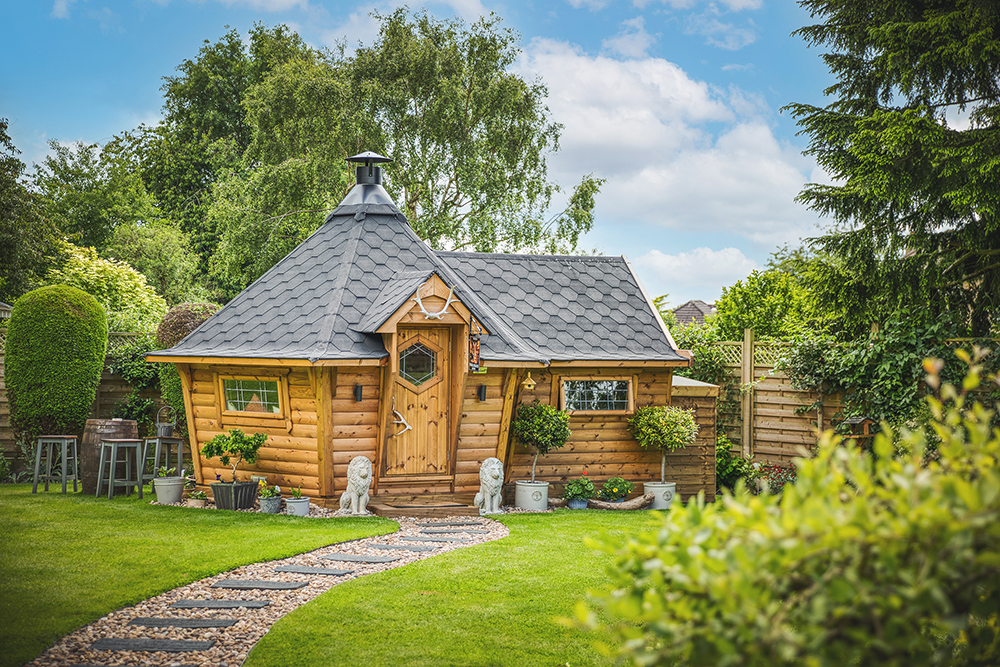
Derbyshire is a county that produces some of the country’s greatest products and each month we feature one of Derbyshire’s best independent producers. Arctic Cabins and Cabin Master, based in Derbyshire, have quietly built a reputation for quality, craftsmanship and community over the last two decades. From beautifully hand-built garden rooms to authentic BBQ cabins, this family-run, employee-owned business has helped thousands of customers across the East Midlands and beyond transform their outdoor spaces into something truly special. A Business Built on Family and Local Values Founded over 20 years ago, Arctic Cabins and Cabin Master began with a simple mission: to create unique, high-quality timber buildings that bring people together and help people make the most of their homes. What started as a small family business quickly grew through word of mouth, fuelled by the care and detail that goes into every single build. Today, the business still holds on to its family-run ethos but is also, proudly, an Employee Owned Trust. This means every team member has a stake in the success of the business – something that translates directly into the pride they take in their work and the outstanding service they provide. When you speak to someone at Arctic Cabins or Cabin Master, you’re not just speaking to an employee, you’re speaking to someone who genuinely cares about your project, because it’s their company too. Hand-Built in Derbyshire Unlike many companies that outsource manufacturing, all of Arctic Cabins and Cabin Master’s buildings are designed and hand-built right here in Derbyshire. The dedicated team of craftspeople work out of purpose-built factories in the heart of the East Midlands, using locally sourced, high-quality materials wherever possible. Every structure is built with durability, beauty, and practicality in mind. From the initial design to the final installation, attention to detail is at the core of the process. Each building is made to order, allowing customers to customise size, layout, cladding, doors, windows and internal finishes to suit their individual needs. Whether it’s a peaceful garden office, a fully insulated gym, a backyard bar, or a luxury BBQ cabin, every space is crafted with precision and passion. Serving the East Midlands and Beyond Being based in Derbyshire gives the company a central location that’s perfect for serving customers across the East Midlands—including Nottinghamshire, Derbyshire, Leicestershire, Lincolnshire and beyond. But the reputation of Arctic Cabins and Cabin Master has stretched well outside the region too, with happy customers dotted all over the UK. The company’s commitment to transparency, honest pricing and full-service project management makes the entire experience, from design to delivery, straightforward and stress-free. With show sites in Nottingham and Warwickshire, visitors are welcome to browse over a huge range of buildings in person, explore different styles, and speak with the knowledgeable team to bring their ideas to life. 20 Years of Trust and Innovation Reaching a 20-year milestone is no small feat in today’s competitive market, but Arctic Cabins and Cabin Master haven’t just stood the test of time—they’ve continued to evolve and innovate along the way. The team is always looking for ways to improve materials, design, energy efficiency and installation practices. But at the heart of it all, the values that shaped the business from day one remain unchanged: honesty, craftsmanship, and service. What also sets them apart is their flexibility. While some companies only offer set designs, Arctic Cabins and Cabin Master specialise in bespoke builds tailored to how customers want to live, work or relax. Need an office with extra insulation and built-in storage? No problem. Looking for a cabin that doubles as a guest room and garden bar? They’ll help you make it happen. More Than Just Buildings—It’s a Lifestyle What makes these garden buildings special isn’t just how they’re built, it’s what they make possible. For some customers, it’s finally having a quiet place to work from home. For others, it’s a cosy hideaway to enjoy the outdoors all year round, or a space to gather with family and friends for food and laughter. Each garden room becomes a natural extension of the home; a space to recharge, create, celebrate or simply relax. And it’s not just the end result that people appreciate. Customers regularly praise the whole team for their professionalism, friendliness, and willingness to go the extra mile. From the initial design consultation to the final day of installation, the journey is just as satisfying as the destination. Looking Ahead As Arctic Cabins and Cabin Master look to the future, the company is committed to staying true to its roots while continuing to grow sustainably. With increased demand for high-quality, sustainable outdoor buildings, the team remains passionate about delivering solutions that combine form, function and longevity. They may have expanded in size, but they’ve never lost the personal touch that earned them their loyal following. Every cabin tells a story of craftsmanship, of local pride, and of people who genuinely love what they do. So, if you’re looking to enhance your outdoor space with a structure that’s beautiful, functional and built to last, you won’t find a better team than the one at Arctic Cabins and Cabin Master. Handcrafted in Derbyshire. Powered by people. Built for life. www.cabinmaster.co.uk www.arcticcabins.co.ukTel: 0115 932 8888 251 Toton Lane, Stapleford, Notts, NG9 7JA 00
Walk Derbyshire – Matlock to Bonsall
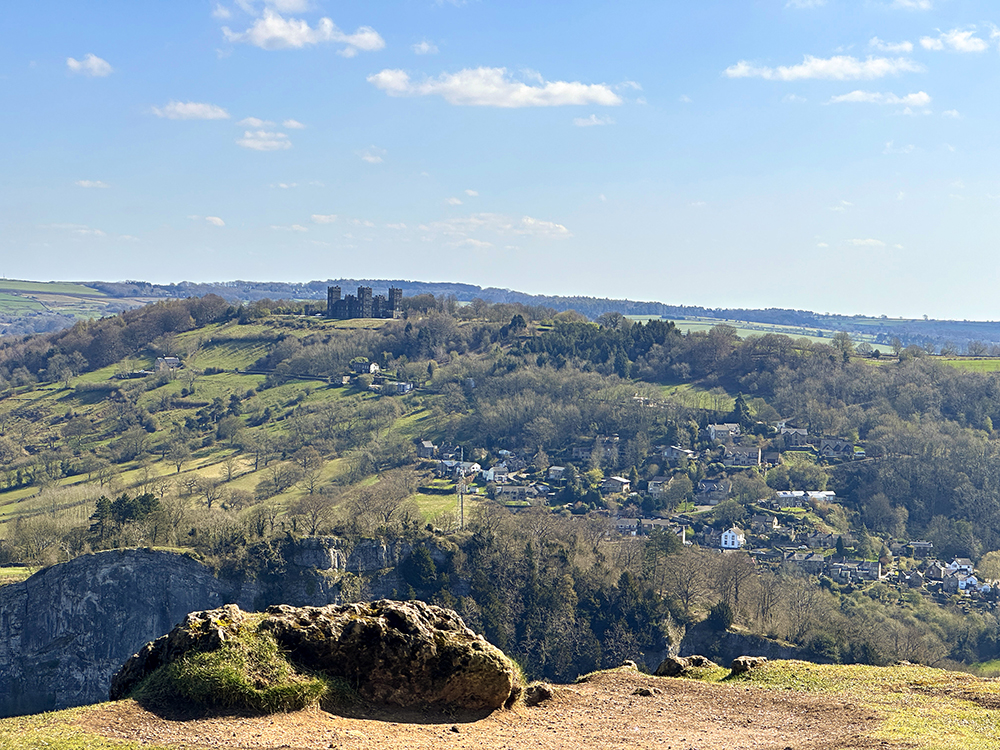
This walk takes in views over Matlock and Bonsall, winding country paths, a quarry, bluebell woodland and farms. It is a little undulated but quite an easy walk with plenty of places to stop along the way and rest if you need to. There were sheep expecting their beautiful babies so hopefully you will be able to spend some time watching the lambs playing if you do this walk this month. PLEASE KEEP ALL DOGS ON LEADS AS IT’S LAMBING TIME!! We would recommend walking boots or good sturdy trainers at least. This walk starts high up over the back end of Matlock after you pass Sainsbury’s. We wind up the hill to find our parking space on Salters Lane which can be a little limited but you should find parking along the lane. Save this walk for a none windy day as you do end up over a high point near Tinker’s Shaft and we don’t want to be responsible for any dogs or humans which may end up flying high! Also, it is worth noting that along the way there is a stunning viewing point which will lend itself to a picnic or just a blanket to sit and enjoy the views. If you would like to do this walk this month then the bluebells should be out in the woods too. There is an opportunity to head into Bonsall during the walk to find a little pub for a swift half or, after the walk. You are only a couple of minutes from Matlock which has many bars and lovely cafes. THE WALK :: THE WALK :: THE WALK :: We park on Salters Lane and head straight up the farm track in front of you where you will come to a galvanised gate with a stile in front of you. Hop over there and follow the footpath. Here you will come to a gate into a disused quarry. When we have been here in the past we have had a little walk down here as a lot of people like to climb in the quarry, so it was good to sit and watch the climbers but be careful – especially with young children. If you don’t wish to have a look at the quarry we turn left over the stile before the quarry gate. Follow the zig zag path all the way through the trees, you will come out into a clearing where you will see two paths. Don’t take the right path but take the left straight down onto the main path at the bottom. We took the right path as it genuinely looks like a footpath and got stuck!///coolest.critic.ratty You should now see a sign saying Heights of Abraham in front of you – hurrah you have gone the right way! When you come to the two yellow footpath posts we are now going to go left. Here are the guaranteed amazing views (unless you decided to come in thick fog) and you can see Riber Castle and Crich stand. This is a beautiful picnic spot – please enjoy and just sit. Moments like this make us happy we live so near to such beauty. We would love to see any photo’s you may take from this point. There is also Tinkers shaft here with lots of history about the mine below on information boards.///chugging.overnight.arrived After you have had a little rest, we head back onto the path and you will see some waste bins in front of you – the footpath heads to the right hand side here. You will head past a couple of signs which say ‘return route’ this is for people visiting Heights of Abraham visitors centre. Follow the path straight ahead and you will see a yellow footpath marker again and we head to the right. Before you get to the cattle grid we go right. Head through the gate into the woodland. Hopefully the bluebells will all be out when you are here. Follow the path all the way through the woodland. When we come out of the woods we head right and go through the large farmer gate. No matter how dry it has been this part through the gateway always seems to be a little muddy. Think of the puddle scene in the Vicar of Dibley!!///resonates.with.refuse Here we head straight along the track in front of you. You will see a little barn in front and a big tree, we head right over the style into the field. When you have followed the path you will come to a bar gate with a stile. We head now on the left path down the field. Head through the trees and to the right and, you will see a new galvanised farm gate where we squeeze through the gap. This is now your chance to head left into Bonsall for a drinky or just carry on up to the right. You will come now to a point where you can go left or right, we are heading straight up to the right.///explain.ferried.galleries We headed onto the top right path where you will come to a closed gate and head right over the stile. Come onto the farmers track and head onto the stone cut through with a white arrow on a yellow post. Here you come out onto a ploughed field but there is a footpath here so go straight through and slowly head down to the left where you will see your car parked! Parking: Roadside parking where Salters Lane turns into Nailor Lane (///swanky.wing.consonant) Pubs: In Matlock there’s plenty to choose from. The Tipsy Toad is a particular favourite of mine. Distance: Long 2.5 miles and approximately 1hrs 30min, but you will need to stop and enjoy the breathtaking views, so take your time! Terrain: Fairly hilly, but nothing that’s too long or steep. 00
Celebrity Interview – Sir Tim Rice
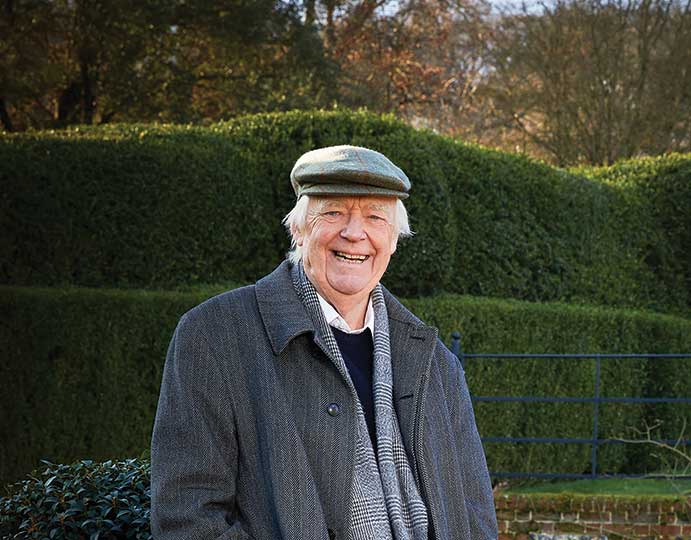
By Steve Orme ‘Think of the greatest songwriting duos of all time and you’ll probably come up with Gilbert and Sullivan, Rodgers and Hammerstein, Lennon and McCartney, and maybe even Burt Bacharach and Hal David. Among that list must surely come Tim Rice and Andrew Lloyd Webber.’ Sir Tim Rice has had a stellar career, collaborating also with the likes of ABBA’s Benny Andersson and Björn Ulvaeus, Elton John and Alan Menken as well as writing the lyrics for several pop songs. Now Tim is on the road with his show My Life In Musicals – I Know Him So Well which will stop off in both Buxton and Nottingham. So what’s it about? “It’s basically me telling the story of various shows and songs I’ve been involved with over the years. They’re sung beautifully and dynamically by a team of singers with a very nice band. “It’s all the hits and a few flops. So you’ve got everything from Don’t Cry For Me Argentina to songs from Chess, Jesus Christ Superstar and a lot of Walt Disney stuff including The Lion King. “I think most people who come will know most of the songs. I do fling in one or two that people might not know but only one or two because in all honesty people come to hear the songs they know and love.” Tim started doing the show for charities. In the first instance it was 45 minutes long. Then an independent production company approached Tim and suggested he should do a commercial tour. “I used to joke that it saves you going to see the shows – you can just hear the best bits and see six or seven shows at once. People love hearing the stories behind the songs, how Don’t Cry For Me Argentina was written and what the original version of one or two of the hits was. “The show is light-hearted and you do get some very good performances of the songs.” It may surprise you to know that Tim does a little bit of singing himself. “I illustrate one rather bad version of a well-known hit song before it had the lyrics that made it a hit. I sing the original version which is really quite funny. It wasn’t meant to be funny at the time but in retrospect it certainly is. And I join in the odd thing occasionally but the audience don’t really want to hear me sing too much.” The show ends with a song from Joseph and the Amazing Technicolor Dreamcoat, the catchy Any Dream Will Do, which gets the audience singing along. “I’m flattered that they all know the song. The audience tend to do the “ah, ah-ah” which is the only bit that I didn’t write!” he laughs. “It’s a singalong and everybody has a good time.” The tour of My Life In Musicals – I Know Him So Well goes on until the end of this month. Tim’s family – he has four children and seven grandchildren – weren’t pleased with such a punishing schedule – 38 dates in seven weeks. But the 80-year-old is relishing being on the road. “I know I’m a bit insane actually. I should have sat down with the producers and said I don’t think I really want to do Scotland the day after Cornwall. If I’m in a fairly comfy car being driven or even going by aeroplane, it’s not too bad. I’ll get through it. “But I think if I do another tour after this one, I would probably say it’s going to be fewer dates and the venues will be geographically planned.” Timothy Miles Bindon Rice was born on 10 November 1944 in Amersham in Buckinghamshire. He was educated at three independent schools, leaving Lancing College with A-levels in history and French. He began working as a trainee solicitor for a law firm in London before joining EMI Records. Tim had an idea for a book on the history of the pop charts and took it to a literary agent. The agent suggested Tim, then aged 20, should meet a 17-year-old who wanted to write for the theatre and needed someone to come up with lyrics for his tunes. That young man was Andrew Lloyd Webber. Their first joint effort wasn’t a success but then Lloyd Webber received a commission from a London school to write a Bible story set to pop music. The pair agreed to give it a shot and produced a 20-minute version of Joseph and the Amazing Technicolor Dreamcoat. Among the parents in the audience was Derek Jewell from the Sunday Times who praised the performance as “irresistible”. Then Decca Records came knocking with an offer to turn the piece into an album. Joseph was the first of Tim and Andrew’s collaborations that started life as a concept album before becoming a commercial theatre piece. In 1972 a director took it to the Edinburgh Festival and it became a big hit with an adult audience. “That gradually led to it becoming the huge commercial behemoth it is today. It just goes on and on. I feel this is very important: because the lyrics are quite sophisticated, adults like it as well. That I think is the secret of Joseph: it appeals to different generations, so parents don’t mind taking their kids to it three times.” Tim and Andrew followed Joseph with Jesus Christ Superstar – again it started as a concept album – which ran in the West End for eight years. Its success was due to their blending symphony orchestra, soul, gospel, rock and blues. “Andrew was more theatre, I was more rock ‘n’ roll,” says Tim. “I think the combination and the respect we had for the other one’s taste worked for Superstar.” Evita followed before the duo began to work on separate projects. Tim met Benny and Björn from ABBA which led to the show Chess and its most well-known songs I Know Him So Well and One Night
The Peacock at Rowsley
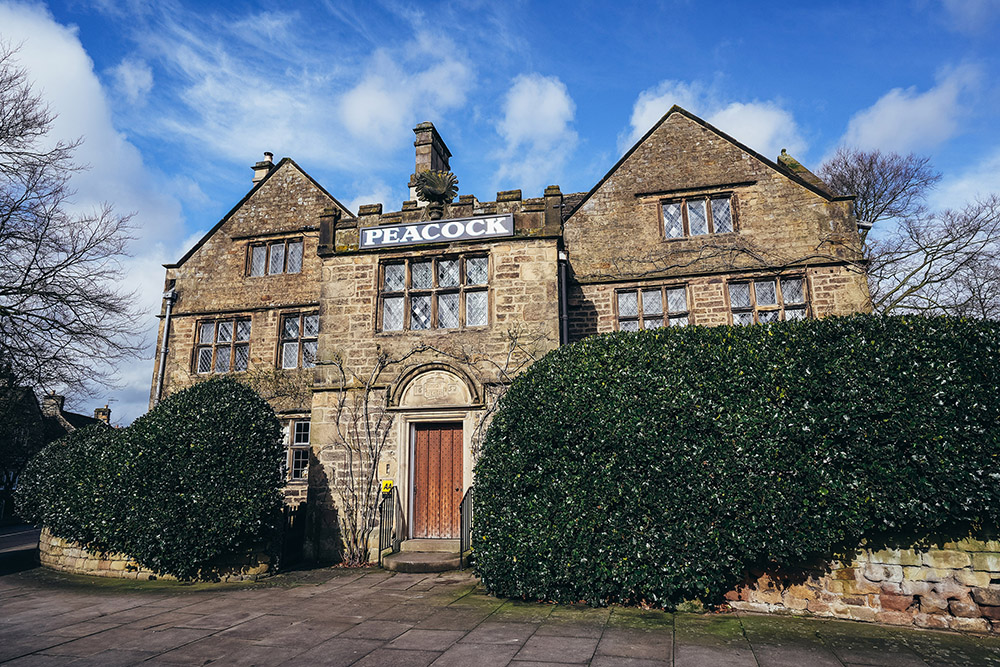
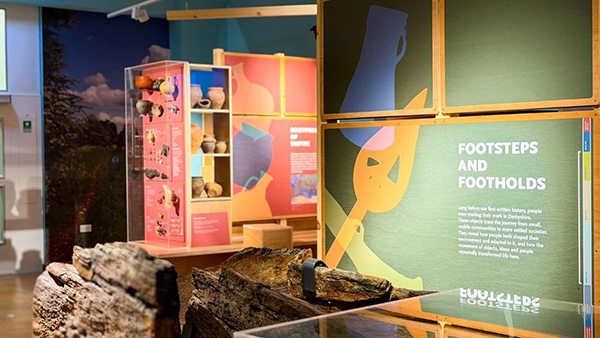
A Historic Gem Reborn in the Heart of the Peak District Nestled within the picturesque Peak District National Park, The Peacock at Rowsley is a venue that beautifully balances the old and the new. Originally built in 1652, this historic four AA Silver Star hotel and three AA Rosette restaurant has long been a destination that attracts visitors looking for luxury, relaxation, and exceptional food. The venue is now under the ownership of Longbow Venues, led by Rob Hattersley, a local with deep roots in the area. Rob, whose family has lived in the Peak District for generations, has a deep passion for preserving and nurturing the region’s historic sites, ensuring places like The Peacock remain a vital part of the local community. A Blend of Historic Charm and Contemporary Elegance A recent £500,000 refurbishment has breathed new life into The Peacock at Rowsley, with a careful balance struck between preserving its historic charm and updating its facilities for modern guests. The restoration has revealed beautiful Victorian stone tiles and refreshed the venue’s signature Mouseman furniture, which has been lovingly restored to maintain its characteristic craftsmanship. While the updates bring a fresh feel to the venue, the essence of The Peacock remains grounded in its rich history, making it a place that feels both timeless and welcoming. Celebrating Local Flavours with a Contemporary Twist At the heart of The Peacock at Rowsley’s revival is its culinary offering. Under the leadership of Head Chef Dan Smith, who has spent 18 years at the restaurant, the menus are a true reflection of the Peak District’s bountiful local produce. Dan’s career—shaped by experience with Michelin-starred chefs like Tom Aikens and at L’Ortolan—ensures that each dish is a work of art, prepared with precision and passion. Local ingredients are showcased in dishes such as Haddon Estate venison, wild garlic, and Jerusalem artichoke, bringing the rich flavours of the region to life. For those seeking a more relaxed experience, the return of Sunday lunch after its hiatus due to the pandemic offers guests a hearty and comforting roast, with locally sourced meats and vegetables served in a warm, inviting atmosphere. A Comfortable Stay Surrounded by Natural Beauty The Peacock at Rowsley is more than just a place to dine. It’s also home to 15 charming guest rooms, each offering a blend of historic elegance and modern comfort. Whether in a spacious four-poster suite or a cosy single room, guests will find themselves immersed in comfort, with marble bathrooms and thoughtfully appointed interiors. It’s the perfect base from which to explore the Peak District, whether on foot or by bike. An Invitation to Explore With its location near the River Wye and Derwent, The Peacock offers guests the unique opportunity to purchase fly-fishing permits for some of the UK’s finest wild trout waters. The surrounding area, with its scenic walks through Chatsworth, Bakewell, and beyond, invites guests to experience the natural beauty of one of England’s most iconic landscapes. A Venue With a Purpose The reopening of The Peacock at Rowsley is not just about luxury—it’s about preserving a piece of local heritage for future generations. Longbow Venues, under the stewardship of Rob Hattersley, has ensured that the venue remains a key part of the Peak District’s cultural fabric, offering guests a memorable experience that blends history, fine dining, and the beauty of the surrounding landscape. It’s a place where visitors can connect with the past while enjoying the best that the Peak District has to offer today. 00
Lost Houses of Derbyshire – Old Walton Hall, Chesterfield
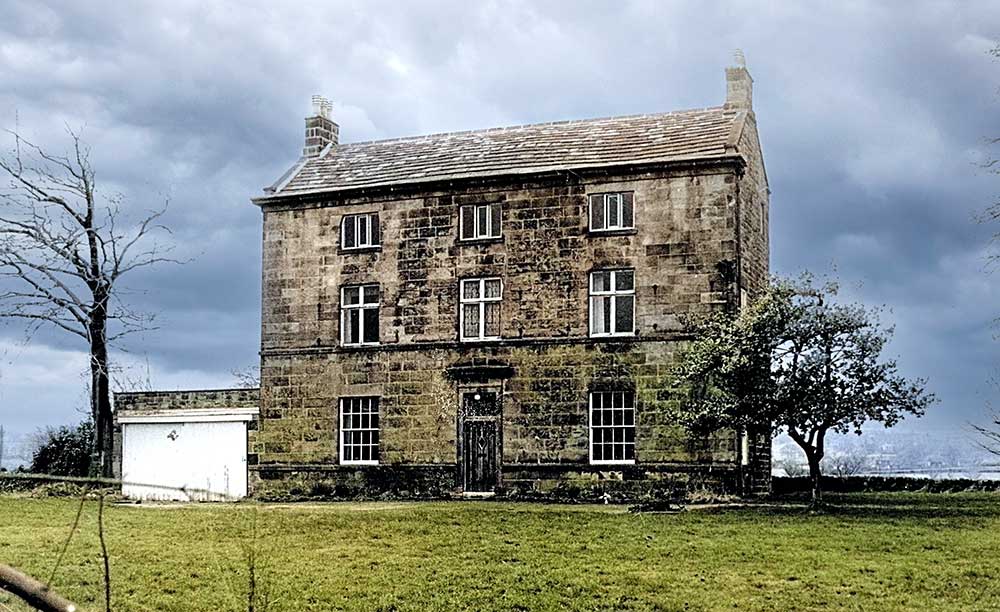
The present Walton Hall, built in the closing decade of the 18th century as a fairly substantial farmhouse, nowadays survives entirely surrounded by modern housing, its lush farmlands lost to a succession of extractive industries followed by the SW expansion of Chesterfield, which gobbled the unpretentious village of Walton up towards the close of the 19th century – and didn’t stop. The site, however, is an ancient one, held by an otherwise unknown man called Hardulf at the time of the Norman conquest, and from him, doubtless compromised by supporting or fighting on the losing side at Hastings, it came into the hands of the King. Who the King’s tenant was at Walton, we seem not to know, but by the next generation it was in the hands of Roger le Brito, otherwise le Breton. Roger, whose name suggests Breton origin – a good number of William the Conquerors comrades-in-arms were Bretons – is otherwise thought to be identifiable with Roger, son of Steinulf, the Domesday Book tenant of Calow, but as the name Steinulf is Nordic not Breton, this may not be a tenable supposition. However, whilst Calow descended amongst more easily attested descendants of Steinulf (bearing the name Calow, of course), Walton descended to the posterity of this Roger. His grandson, Sir Robert le Breton, received a licence from the king to found a chantry on his land at Walton, clearly suggesting he also had a capital mansion there, too. Nevertheless, the family continued for eight generations until Isabella, daughter and sole heiress of another Sir Robert brought the estate to the Lowdhams of Lowdham, in Nottinghamshire. In the next generation another heiress brought it to Thomas, a younger son of the Peakland grandee Sir Thomas Foljambe of Tideswell, around 1390 and his family held it until 1633. The old house was one of many Derbyshire manor houses to host Mary Queen of Scots, in this case, for two nights in February 1568. The last hall to be occupied prior to the building of the present one was that built by Godfrey Foljambe, who inherited the estate on the death of his father, Sir Godfrey, in 1585, and the existence of two chimneypieces and overmantels bearing his initials and dated 1591 (one was dismantled and reconstructed for installation at Dene Park in Kent; the other came into the hands of Sir George Sitwell but is lost) suggests that his new house was being fitted out in that year and was thus ready for re-occupation, perhaps before the end of the year. The house’s predecessor was set in a park, bordered on the north by the Hipper and this had a tower therein, which can be picked out on both the map of Christopher Saxton of 1577 and that of John Speed of 33 years later, probably a hunting stand, like that at Chatsworth. The new house is only known from a survey of 1633 by surveyor William Senior, and consisted of an entrance front with end gables, from which ran cross wings, with two further lesser gables flanking the entrance. This ensemble formed a deep courtyard, and was closed at its open end by a timber screen, beyond which lay the stable block. On the other side of the house was the domestic chapel, founded as a chantry by Sir Robert le Breton, by 1623 embellished with a tower, spire and extended chancel. Sir Godfrey Foljambe, who lived there ‘wherein great contynewall housekeeping was mayntayned’, died in 1595, whereupon his widow, Isabella, was left a life interest in the estate, allowing her to live there with her second husband Sir William Bowes. She outlived him, too, and died in 1623; both were very keen Puritans. In 1609, they had been host to Lady Arbella Stuart, the King’s cousin and Bess of Hardwick’s grand-daughter. The house by then was surrounded by gardens, orchards, a bowling alley and pleasure grounds extending to twelve acres, the estate itself running to over 2,336 acres. The building itself was described as in good repair. However, once Lady Bowes had died, the male heir, Sir Francis Foljambe, 1st Bt. (the title created in 1622) inherited it. He was MP for Pontefract (his main estate then lay at Aldwarke in Yorkshire) and High Sheriff of Derbyshire in 1633, in which year he decided to sell up and the house seems never to have been properly lived in ever again. The purchaser was Sir Arthur Ingram MP of Temple Newsham, Yorkshire, a colourful character described by one contemporary as ‘a rapacious, plausible swindler who ruined many during a long and successful criminal career’, but it would seem that his purchase – at an eye-watering £16,000 – may have been an element of some other transaction, for within three years he too had sold the estate, this time to Paul Fletcher, a local ironmaster. Fletcher’s heir was another local merchant, Richard Jenkinson, who in 1648, with the Civil War still raging, decided that the old house – un-lived in since 1623 and in decay – was too large for him and he reduced it considerably, supposedly to make it more convenient. His son, Sir Paul, was created a baronet (of Walton) in 1685, but the family allowed the building to continue to decay, until in 1713 William Woolley could write of it: “The ancient seate Walton nere Chesterfield….is utterly ruyned, plucked downe, and sould, no materiall, as ys reported left, nor almost any mencyon made were so greate hospytality, and that in my tyme used.” With the death of Sir Jonathan Jenkinson, 3rd Bt. in 1739, his niece and heiress inherited it and forthwith bestowed it upon her mother Barbara, widow of Sir Paul, who had died in 1714. By this time, she was married to John Woodyear who, like the Jenkinsons, lived elsewhere and promptly cleared the site of the old hall, in order to convert what was left of the estate (after several parcels had been sold off to local coal-masters) into a working farm.
Derbyshire Makers – Wheeldon Homes

When it comes to established Derbyshire companies, not many have the pedigree of Wheeldon Homes. With a proud heritage dating back over 157 years, Wheeldon has remained a house builder of choice for many local house purchasers across the East Midlands for generations. As a company they have an excellent reputation for the quality, design and specification of all their homes. The company was first set up by brothers George and William, both joiners in Belper way back in 1867. They worked hard and quickly developed a name for themselves for excellent quality of workmanship, building much needed homes around Derbyshire. Today the company is based near the heart of Derby in Chester Green and continues to foster an ethos of quality in everything they do. All their homes are constructed by selected workmen, chosen by Wheeldon for their proven expertise in local house-building. These skills are self-evident in the quality and range of houses they build, from starter homes through to spacious family houses. 2025/2026 sees the company in excellent shape with several developments under construction across Derbyshire, with new locations promised for the future. All Wheeldon new homes enjoy bright living rooms, high specification kitchens, dedicated dining areas, principle bedrooms with Gliderobes fitted wardrobes and bathrooms with sanitary ware by Ideal Standard, all complemented by Porcelanosa wall tiling. The kitchens enjoy the convenience of an integrated oven, hob and extractor canopy as standard, with a choice of cabinets and drawers providing plenty of storage space. Wheeldon has always been keen to assist its purchasers and offers a number of incentive packages totally tailored to suit individual needs on a selection of their properties. When purchasing a new-build home, short term savings mean that people can enjoy the peace of mind that no major costly projects like repairing leaking roofs or replacing electrics lie around the corner. Likewise, a new home is a blank canvas allowing each purchaser to personalise their own home without the extensive labour of stripping off wood chip wallpaper and redecorating. This simply means that people can move into their home and enjoy living knowing that they have the protection of a 10-year warranty backed by NHBC should anything go wrong Debbie Smith, Sales and Marketing Director at Wheeldon Homes says: As a smaller independent house builder we understand what really matters to our purchasers and that is pounds in their pocket. For this reason, at Wheeldon we offer a range of features as standard – meaning that the savings in your pocket come as standard.” Designed to comply with the very latest building regulations, our new homes are fitted with high efficiency heating systems, excellent insulation, fire resistant materials, circuit breakers, alarms, water efficient taps and toilets, triple glazed windows and French doors. In addition to the above, Solar Photo Voltaic Panels (PV) are fitted as standard with most of our properties featured for sale; ensuring we achieve an ‘A or B’ rating in SAP energy calculations. The Solar Photo Voltaic Panels (PV) are an ‘in-roof’ solar panel system, which combine slimline black cells and a black frame, strong, durable and water-tight, these fully framed panels, with no exposed edges, produce an all-black panel looking a lot sleeker on the roof. At Wheeldon the benefits do not end there…. many of our new homes are also provisioned with a 7.2kw Type 2 Rapid Vehicle Charging Point which will enable fast and convenient home charging of electric vehicles and plugin hybrids, further future proofing your property. New homes are already six times more energy-efficient and generate over 60% less CO2 emissions than older style homes, which is the equivalent of driving 10,000 miles less a year per household. So, our new homeowners can take comfort that they are doing their bit for the environment. But it’s not just about the planet, improved energy efficiency saves money too and living in a new home can reduce energy bills by more than £550 per year. “Our specification is designed to save people money – something that we all need in a world that is seeing huge increases in the cost of food and energy. To find out more we are urging interested parties to visit one of our developments and speak to the sales adviser about what Wheeldon can do for them.” Debbie concludes, Wheeldon developments offer a range of homes to suit all tastes and budgets. No matter which Wheeldon home you choose, you can rest assured all the developments are truly designed to make life more comfortable and to ensure that their owners will be proud of their property for years to come. For details on the full range of homes currently available or indeed future developments, please contact the Wheeldon Homes Sales Hotline on 01332 388 388 or alternatively visit the website – www.wheeldon.co.uk 00
Derbyshire Makers – John Stevenson Jewellers
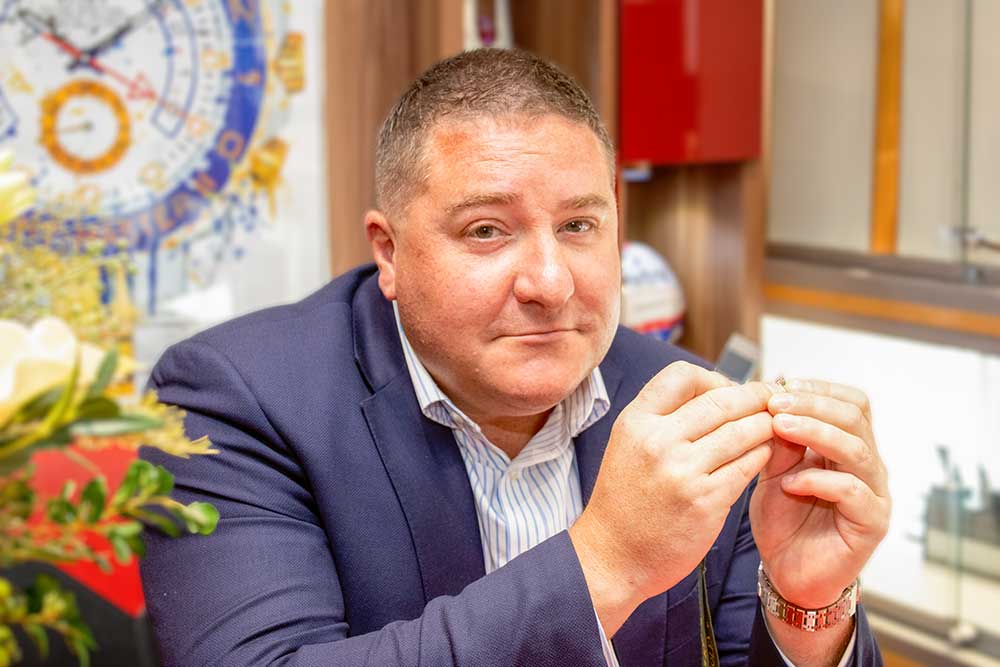
A Derbyshire Tradition of Trust and Quality From heirloom pieces to modern masterpieces, John Stevenson Jewellers offers personalized service and exceptional craftsmanship. For more than 50 years the name Stevenson has been synonymous in Derbyshire with not only quality jewellery but also trust. And the number of people returning throughout their lives to the Chesterfield company shows that they trust the family business implicitly. As an example, the genial Ben Stevenson, director of the firm established by his father John, tells how one customer has returned again and again to the company’s shop on Glumangate. “She started off with a three-stone diamond ring. For her 40th wedding anniversary she changed the centre stone for a ruby. For her sapphire anniversary she changed the ruby for a sapphire. And at the weekend she collected an emerald for her emerald anniversary. “We think that’s a fun thing that shows how long people stay with us. We can know what they want and they’re happy with us. A lot of the jewellery business is about trust, whether you like what we do and whether you trust what we do. I think that’s the most important thing.” John Stevenson Jewellers has an unrivalled reputation for unique jewellery which is designed in-house; jewellery repairs; and servicing of the top brands of watches. John Stevenson started his career as a news photographer. He then went to work for Shiphams which had a jewellery shop on Stephenson Place in Chesterfield. He enjoyed it so much that he set up on his own and the business grew and grew. Ben was working in London until ten years ago when his father made the decision to retire – sort of – and Ben returned to Derbyshire. John who turns 80 next year still goes into the shop every Friday and other days too. “He can’t keep away!” says Ben who explains the principles on which his father founded the business: “Doing something that was a bit different from everybody else. “You can make jewellery by mass-producing it. Nothing wrong with that. Why people come here is they want something that’s individual. We’re an individual, stand-alone shop – there’s not another one.” Go into the shop and you’ll be served by John, Ben or John’s daughter Polly: “There’s always one of us here and that means you always get the service. “If you want to design something from perhaps your grandma’s or your parents’ jewellery which is of its time – you don’t necessarily want to wear it but you don’t want to get rid of it because it’s sentimental – what do you do? “We might say you’ve got five lovely things there – let’s make one pendant or one ring. Recently, for example, a grandmother died and left a five-stone diamond ring. We melted the gold down and a little bit of the gold went into five new rings. That meant a sister, three daughters and a niece have all got part of grandma’s ring. “The great thing with gold and gems is you can turn them into as many things as you want. We do a video of us melting the gold down so you know it’s your gold you’re getting back. People like that provenance.” Ben designs the jewellery which is created by the company’s workshop team in Birmingham. He brings to the business 20 years’ experience working for luxury jewellers Hirsh, first in London’s Hatton Garden and then in Burlington Arcade on Piccadilly. “That was a great success. We had people from all over the world buying crazy, expensive things, putting a credit card through ten times to buy a million pound necklace because you couldn’t get anything over £100,000 to go through the machine! “We used to go to exhibitions every year in Switzerland, Hong Kong and New York. So I know the right people around the world for sourcing stones and that’s what I’ve brought to the business. If you need something super-unusual, I know where there’ll be one.” John Stevensons Jewellers sells new and pre-owned watches, especially Rolex. Ben says there are two types of people who want a Rolex. “You’re either a very wealthy person who goes ‘I must have a Rolex’ which is fine. A lot of people have a collection of them. A Rolex is an asset. It goes up in value far more than bank rates have been going up in the past few years. “Then there are people who’ve worked hard all their life, maybe they’ve just retired, and they say ‘I’ve always wanted to own a Rolex’. You can see it really means something to them when they leave. And you think that’s what it’s all about – you’re actually buying happiness.” The company also services Rolex watches and Ben advises that they have to be looked after. “You keep your car MoT’d and take it in for a service. If you think about it, the car’s probably worth the same as a Rolex. There are about 200 moving parts in each Rolex; they all need lubrication and they all need tender, loving care. “As they get older, they perhaps need a little bit more attention, like a vintage car. But that’s the fun of having something that’s genuinely old. The great thing is you can be wearing a Rolex from 100 years ago as a daily watch and it still works.” A large part of the business is servicing watches including Rolex, Omega and Cartier. “We’re very lucky that people come from far and wide to bring their watches to us and again it’s a trust thing,” says Ben. “If it’s your pride and joy that you’ve been wearing since your 21st birthday, you don’t want to be handing it over just anywhere.” During the pandemic, like many other businesses John Stevenson Jewellers had to close. When they reopened they had their busiest ever year. “Interest rates were at zero, so no one was getting interest on their money. No one had spent anything,