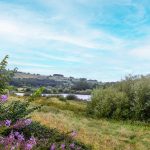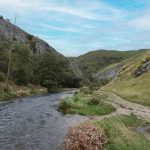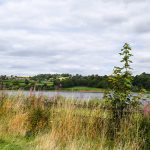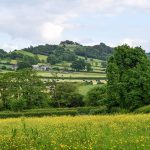







Pilsley, Bakewell is a very picturesque village within the Chatsworth estate. Many of the gritstone cottages in the village are occupied by estate workers at Chatsworth. There is a lovely spacious green in the middle of the village and there are stunning views all around the village. Part of the village was built in the mid 1700s and further houses were built in the late 1830s. The Devonshire Arms in the centre of the village was built over 300 years ago and serves food, real ales and you can also stay. A couple of minutes walk away is Chatsworth farm shop which we visited before encountering our walk. It stocks some fantastic fresh, local produce along with gifts and cards. This is a lovely circular walk which takes in woodland, open fields and beautiful lanes. We parked in the charming village of Pilsley, near the Devonshire Arms, on the High Street. THE ROUTE We start the walk in the centre of Pilsley, after a pint at the Devonshire, or a coffee and cake at the Chatsworth cafe! With the Devonshire in front of you, turn right and head down the road. On your left you’ll see a sign for Richard Whittlestones studio. Richard Works in acrylics, water colour and oils, drawing inspiration from the Derbyshire countryside. Richard has appeared on many front covers of Country Images Magazines over the years, and his studio is well worth a visit. Follow the road about 250 meters until you see a stile on the left hand side, pointing across the fields. The view here is amazing, as it looks out over Baslow and the edge. Hop over the style and head down the field with the wall on your right before going diagonally right down towards the A619. This is a little...