Derbyshire Makers – Heldrich
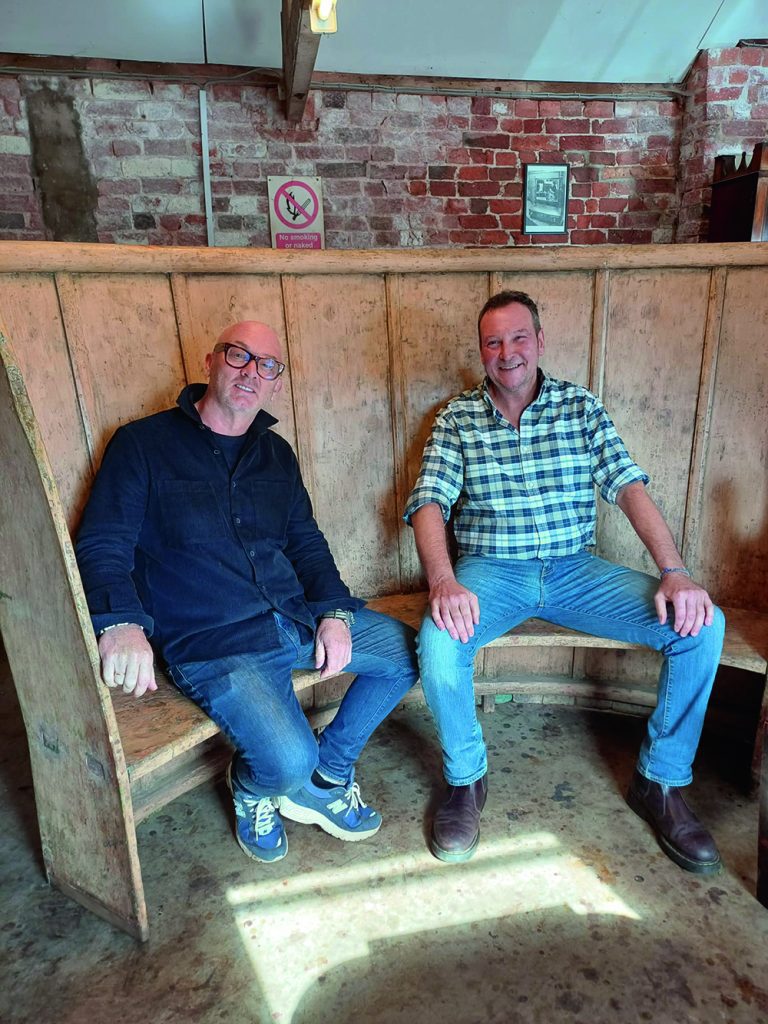
“A Lifetime of Craftsmanship: Derbyshire’s Neil Heldreich Reflects on the Timeless Art of Antique Furniture Restoration” After nearly 40 years in the trade as an antique furniture restorer I have seen many fashions in collecting come and go, but one thing that always remains consistent is the recognition of the skills required to create these pieces of the past, compared to the soulless modern machine made furniture of today. Whether it be a fine mahogany or walnut piece designed and made by a well known maker, such as Thomas Chippendale, Robert Adams or Gillows of Lancaster, or a vernacular country or town piece made by a local craftsman using materials they had to hand, sometimes with their own unique style. The finer pieces were of course functional but were mostly for aesthetic effect for the customer who could afford the latest fashion in furniture design. Where as the vernacular pieces, which sometimes tried to emulate the latest fashions, were almost always made as a functional working piece of furniture. They were again finished with what was to hand, for example, varnishes, paints, pigments and oils. These methods also reflected how these pieces eventually aged and created their own unique patination. The fine pieces were usually finished using materials that would enhance the full beauty of the expensive and often imported timbers from which they were constructed. I may be biased but, I think we have the most varied, beautiful and skilfully made antique furniture in the world which reflect the rich history our Island has had over the centuries. TV programs such as salvage hunters, have begun to highlight these attributes and the appreciation of the history of such pieces , sometimes focusing on the story, originality and patination of the items and not just its monetary value. Drew Pritchard and his dealer friend Alistair from TV’s Salvage Hunters visited me last September for a day of filming for his new series and the episode was aired this October on Quest (season 19 ep 1). I spent a pleasant day with Drew and his team through out which we talked about and looked at various items I had for sale and some that were not. He has a genuine love and understanding of what makes a piece desirable to ether a seasoned collector or a novice buyer who just appreciates the history of an item and it was great fun to converse on this subject with a fellow antique geek. It takes many years of working and handling such pieces to understand which materials to use and how to approach the restoration of them, with my training and experience, so far, these are the principles I strive to achieve and if possible, to preserve these precious qualities our treasured antique pieces hold. 00
Dining Out – The Boat Inn, Pinxton
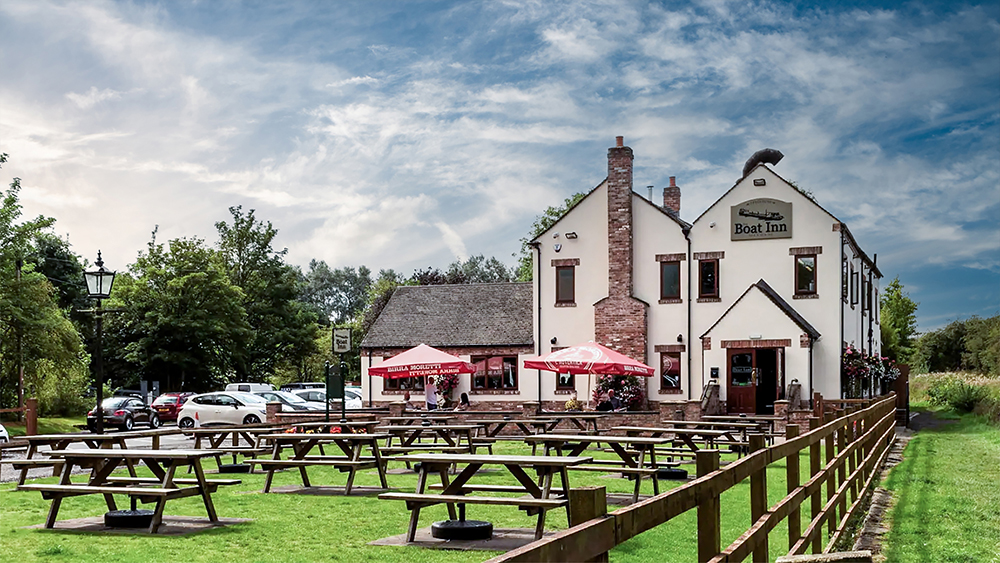
The Boat Inn at Pinxton demonstrates the importance of legacy, why rebirth doesn’t have to mean revolution, and how the perfect setting is best served water-side. The quaint village of Pinxton, running alongside the two Derbyshire mammoths, the M1 and A38, is used to its fair share of travellers and passersby. Housing its own Pinxton United Football Club and Parish Council Offices, it’s in the margins, down by the River Erewash and at the head of the Pinxton Wharf where The Boat Inn lies, snug and quietly buzzing with revellers and families looking for the affable equality of taproom ambience and rustic eatery. The Boat Inn is a reflection of their past, and they make no bones about flaunting it, as proudly boasted by the staircase mural. Reading through it uncovers a starting date in the 1790s and how it was created to coincide with the development of the Pinxton Arm Mill on the newly built Cromford Canal. Designed to give collieries access to the River Trent, the methods of transport were updated again in 1819 with the Mansfield & Pinxton Railway, allowing goods to be efficiently convoyed across the region. Interestingly, this permitted the evolution of The Boat Inn to become the first railway waiting room and ticket office, allegedly. But the start of the 21st Century looked bleak for The Boat Inn. 2008 called for the closure of the building due to repeated flooding, making it in dire need of restoration. Then, the folks at Lowe Leisure Ltd stepped up with a last-ditch purchase and thus began an unprecedented transformation over 10 years. Re-opening in 2018, The Boat Inn has been dressed up with a fresh bar, lounge area and dining room. Ensuring the classic canalside pub vibe was maintained, The Boat Inn today continues to present an attractive and hospitable spot for every type of customer and, considering the pub’s history spans over 200 years and they’ve almost definitely served multiple generations of Pinxton families, it’s safe to assume the local’s tastebuds have been won. When we arrived on a wet and dark Wednesday evening, The Boat Inn emerged out of dense forestry and gravelly roads like a home-from-home. Spacious parking, an expansive outdoor seating area that covers a patio and a beer garden, we assumed that these elements would likely be well-populated in the warmer months, and the weary parent would welcome the high-quality children’s play area opposite. Situated within the Pinxton element of the sprawling Cromford Canal, nature rules the day and, especially due to Springtime blooming, it adds an element of persistently shifting, kaleidoscopic tranquillity to the area. The Boat Inn is keen to offer an overall experience, opposing the usual sit-down-eat-and-leave routine most restaurants employ. The staff were warm and attentive from start to finish, allowing the courses to run seamlessly. Being afforded both Al Fresco dining on the patio or the option to sit in the tasteful, countrified restaurant is a luxury not many places can attest to. The Boat Inn has meticulously ensured to play to its strengths, resulting in a structured environment that distinguishes the socialites from the foodies, and the lively carousers from the introverted romantics. The Snug, as they have rightfully named it, yields a warming log burner, and the dining room opts for a stripped-back design with wooden beams against exposed brickwork. The restaurant area is perfectly set up, meaning you don’t feel adrift from other restauranteurs, nor are you getting overly intimate with the locals. Open Tuesday through Saturday from 11:30 AM to 9:00 PM and Sunday from noon to 9:00 PM, its selection of seating arrangements will not disappoint. Be aware that the kitchen closes at 5 PM on Sunday, so get down quickly for an end-of-week meal. Whether you have a dog or have to organise a large group booking, The Boat Inn can accommodate each demand. They aren’t stuck in the past. Just check out their Facebook page to see a demonstration of how active these guys are! Hosting Bingo Night on Saturdays and their exceptionally generous children eat for £1 menu over the winter period, be assured that The Boat Inn have its fingers on the community pulse. The Bar Lounge is a refined, modern addition that does not disrupt its rustic surroundings. It is a place to lounge and indulge in the pub’s inspired drinks and cocktail lineup. Is anyone up for a Pinxton Passion Martini or Canal Collins? These will be coming in the Summer! The Boat Inn broke down its locally sourced food options into several easily discernable menus, covering the kids’, lunchtime deals, their traditional Sunday courses, and the main menu that my partner and I worked through. A brief chat with Chef Julie confirmed the level of pride and thought that goes into the options. She excels in producing a cohesive menu that spans most people’s appetites, including her very own “Julies Homemade Cheesecake” that even the waiter attested to being sublime! So, we chose Baked Gnocchi and Sticky Hoisin & Sesame Pork Belly Bites, Salmon and King Prawn Oriental Noodles and an 8oz Rump Steak, and to clinch the perfect evening, we indulged in, would you believe it, Julies Homemade Cheesecake, made with lemon and ginger for that electric zing. We expect great things from the Boat Inn and imagine it will continue to lead as Pinxton’s cherished culinary heartthrob. Shall we see you there? To book a table or learn about upcoming events, visit https://theboatinnpinxton.co.uk/ or call 01773 861600. The Boat Inn, Pinxton Wharf, Pinxton, Derbyshire, NG16 6PN Tom Bell 00
Walk Derbyshire – Calton Lees, Chatsworth to Rowsley
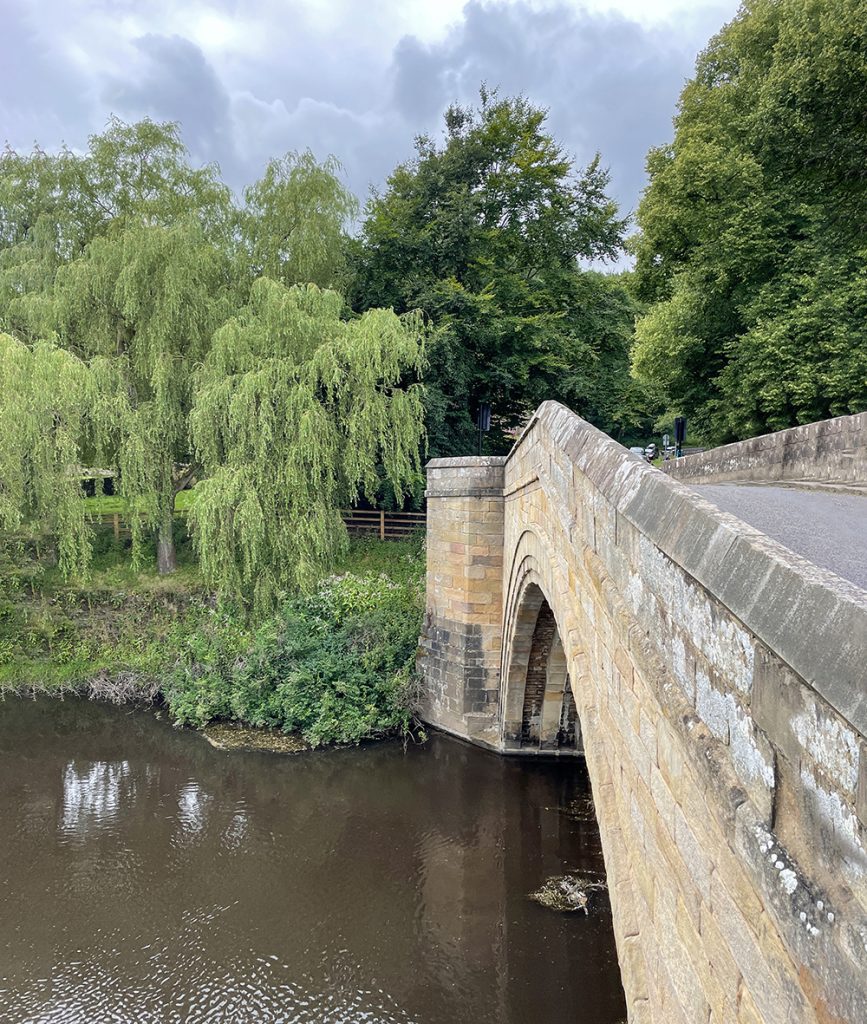
There are some beautiful walks around Chatsworth as the river there is so pretty and, attracts many people each year for picnics and walks. We decided to head out from Chatsworth for some panoramic high up views of the valley from Calton Lees car park up into Rowsley. I’m sure you have visited Chatsworth before. People come from around the world to visit the beautiful house and gardens on the banks of the River Derwent. The house and gardens are open to visitors most of the year and, there are stunning walks around the gardens. For families there is a farmyard and park area too. Even though there is a charge to access the house and gardens (check out their website for more up to date information), you can visit the courtyard with restaurant, cafe and shops for free and there are walks in the park which you can enjoy without going through the gardens. Down by the banks of the river is a beautiful place to picnic in the summer with friends. The village of Rowsley has many picturesque riverside walks starting from the village. The river here is world renowned for its rainbow trout, brown trout and grayling and, attracts anglers from all over the world. The village has a small shopping centre called Peak Village which is worth a little visit. The beautiful Peacock Hotel is a grade II listed building dating from 1652 and a visit is recommended. THE WALK :: THE WALK :: THE WALK We park in the Chatsworth Estate Calton Lees car park which during the winter is usually free but a fee is payable from the Spring onwards (but you can pay by card!)///backfired.losses.backers From the car park entrance we head right and walk past the road to the garden centre. We follow the road all the way up past the houses and keep the stream on your left hand side. We walk past Lees Wood on your left hand side. Follow the road straight until you eventually come across a couple of Chatsworth estate houses which you can rent for holiday homes. ///slug.convinces.cobras Carry on past here and you will come to a gate where you can go pretty much straight ahead onto the track or right. We are going straight ahead – there is a sign here which gives you a little background. At the farm gate we head left, and left again, where we start to go up quite a steep hill. We all had a race to get to the top!! Have a rest here and enjoy a flask of coffee or just the lovely views. Over the stile and we go into the woods.///sits.nylon.theory Follow the track in the woods for a short distance and then follow the track left. When we were here we came across quite a few cyclists (albeit on their cheating electric bikes!) Follow through the woods and turn left at the end. Here you will come out onto a small road. We are going to turn left. Follow the road all the way and it will bend right slightly.///disengage.diplomat.oils At the end we turn right here and just follow the road. We end up on Church Lane and walk through the village of Rowsley. After you pass St. Katherine’s Church, head to the corner and turn left onto the Derwent Valley Heritage Way. Now we walk keeping the river on the right hand side. We cut across a lovely large field, still with the river on your right. Eventually you will head into Calton Lees and where you started! Turn right and you will see the garden centre on your right and the car park ahead. We’d love to see the photo’s of your walk – please send them in tovicky@imagespublishing.co.uk INFORMATION :: INFORMATION :: INFORMATION Parking: At Carlton Lees car park within the Chatsworth Estate near their Garden Centre. Pubs: There are a couple to choose from on the route, if you take a short detour at Rowsley. Distance: Long 5.6 miles and approximately 2hrs 15min. Terrain: A fair bit of up hill on the first half of the walk, but a decline and flat finish awaits! 00
Celebrity Interview – Pam Ayres
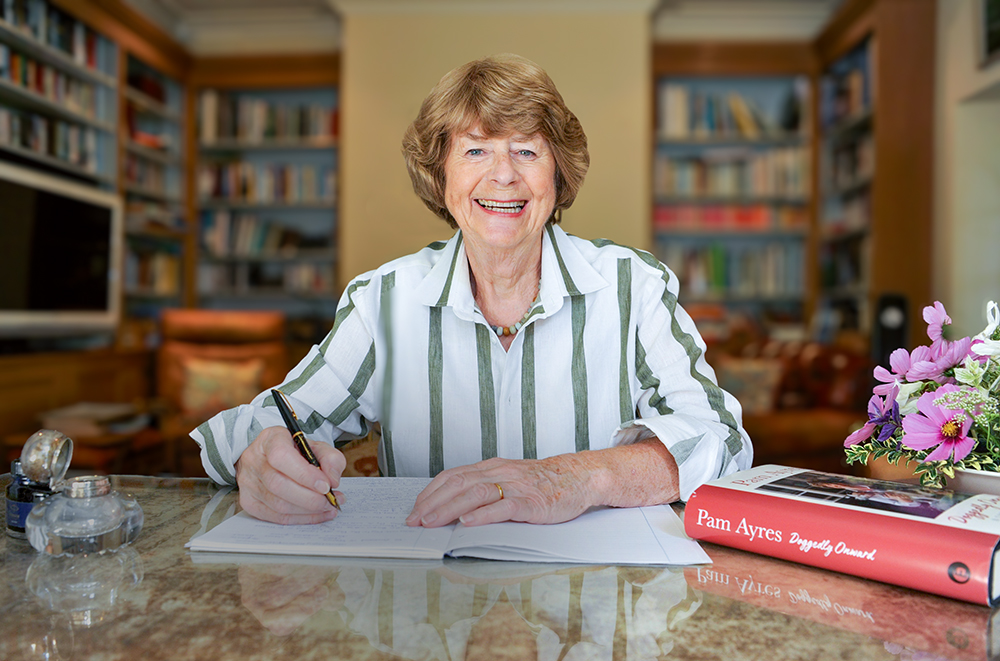
by Steve Orme “…the loss of control was heartbreaking. I was very naïve. I was signed up to London agents and they put me on stage in great big theatres for which I was ill-equipped.” She’s been described as a “poet for the people” with a wicked sense of humour who deals with subjects not normally thought to be worthy of poetry. Now, 50 years after winning the television talent show Opportunity Knocks, Pam Ayres is on the road with her show Doggedly Onward in which she presents poems and anecdotes from her life. Speaking to me from her home in Gloucestershire, Pam is totally forthright and open about her fascinating career. She explains the downside of fame, how she never set out to be a poet and the surreal experience of playing Glastonbury, “the largest greenfield music and performing arts festival in the world”. She confessed that although Opportunity Knocks was “fantastic”, it was also a nightmare. “At the age of 28 I suddenly started earning money. I was able to buy a house and it cost £11,500. The idea of me ever having a house was ludicrous.” She stretches out that last word to give it emphasis. “It was extraordinary. But the loss of control was heartbreaking. I was very naïve. I was signed up to London agents and they put me on stage in great big theatres for which I was ill-equipped. “I was given a television series which I shouldn’t have touched with a barge pole because I didn’t have the ability to produce enormous amounts of material. They brought in all these tired old scriptwriters to write the series for me and I hated it. “On the one hand I had money. I was able to help my family and I bought myself a house and a car. It was amazing. But as a writer and as somebody who had done so well on my own, although in a small way, it was heartbreaking really.” The turning point for Pam came when she met a theatre producer, Dudley Russell. He not only enabled Pam to take back control of her work, he became her husband and they’ve been together for more than 40 years. Pam describes herself as a “village girl” who just wanted to succeed. After Opportunity Knocks “you sign everything they give you to sign and I didn’t have any legal advice. “I’m not giving you a hard-luck story. Everyone was patting me on the back and saying ‘you’ve made it’. Yet I lost control of my copyright, everything I’d written, everything I was going to write. “Dudley was lovely. He’s from my part of the world and he was savvy. He knew his way around the business. He looked at the various things I’d signed and took me off to a QC for legal advice. I got my copyright back at huge cost. “If it hadn’t been for my husband I would have just floundered endlessly. It was awful. But there wasn’t much protection for people on Opportunity Knocks – no legal advice or anything. I hope it’s not the case nowadays.” Pam says her television debut seems a lifetime ago because since then she’s had children and grandchildren. But she can still recall how she felt. “I can remember how scared I was. I can remember the talcum powder smell of the dressing room at Thames Television, and the fact that it was a proper dressing room with lights around the mirror and it just seemed so glamorous.” She points out that the purpose of going on Opportunity Knocks was to find out whether her act would appeal to a wider audience. “I’d found that reciting my poems which I’d written in my own style had made people laugh locally. I wanted to see if it would work on a larger canvas. It suddenly got enormous.” Pamela Ayres was born on 14th March 1947 at Stanford-in-the-Vale, Berkshire. She was the youngest of six children. She left school at 15 and got a job as a secretary. She couldn’t stand it, so she joined the Women’s Royal Air Force. A few years later she started reciting her poems in her rural Berkshire accent in folk clubs. But she admits she was never drawn to poetry. “I was interested in writing from the time I was able to write at school. I loved writing stories because of the power. You can invent people, you can make them do things – you can make them be horrible, you can make them fall in love. I adored it.” She joined the likes of Billy Connolly, Max Boyce and Jasper Carrott who were working at that time in folk clubs: “I’d written a few poems that I hoped would make people laugh and they did. They were falling about laughing. But I never set out to be a poet. I’m certainly not knowledgeable about poetry. I look at my stuff more as comedy that rhymes.” You may remember one of Pam’s more popular poems, Oh, I Wish I’d Looked After Me Teeth. She says that will probably be carved on her gravestone. Another favourite is They Should Have Asked My Husband – about a man who knows absolutely everything – and she’s currently working on one called The Bank Of Mum And Dad. “I try to write about things that people will recognise. I don’t want to write about anything too rarified. I like to write about ordinary things but come at them from a surprising angle.” Pam accepts she was a trailblazer because the only person doing performance poetry when she came on the scene was Cyril Fletcher. “He used to sit in an armchair and recite what he called his odd odes. There certainly weren’t any women doing it but now there’s a whole range of good women who are performance poets.” Pam’s popularity has continued and she is one of the few authors who has had books in the Sunday Times bestseller
The Lost Houses of Derbyshire – Kirk Hallam
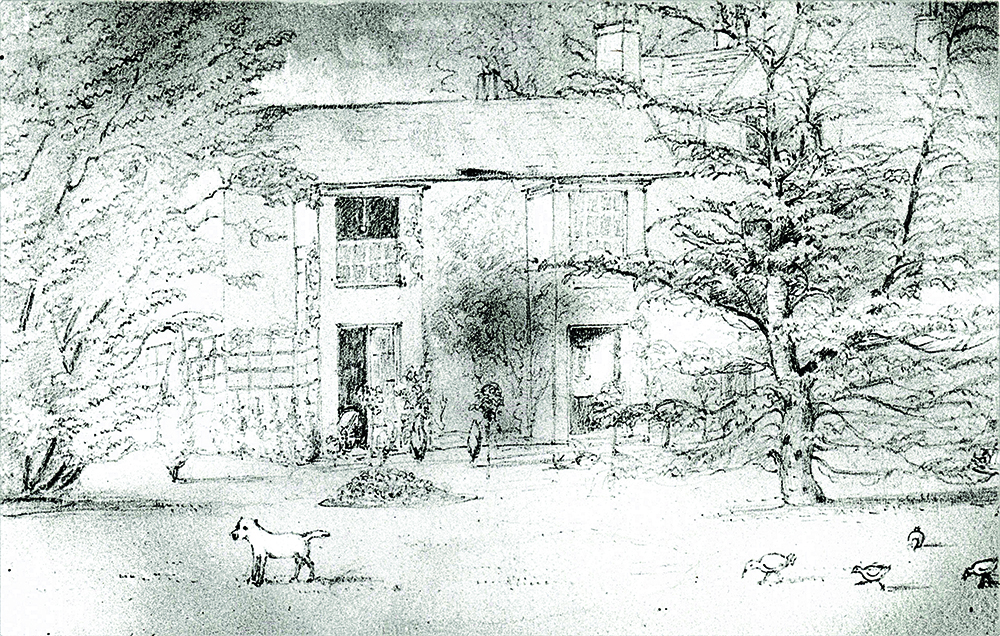
by Maxwell Craven Kirk Hallam was originally a small hamlet atop the ridge that overlooks the Nut Brook and the homonymous canal as one travels east towards Little Hallam and Ilkeston. It takes its name from the Old Norse hallr (= a hill) + kirk (= church) which perfectly describes the settlement, even as it appears on the 1880 OS map, on which there is little to be discerned bar the church, the hall and a scatter of houses to the south of the main road. It is thought that the ‘Kirk’ element was added in the early 12th century as the later settlement that became West Hallam expanded, to differentiate the two. In 1066, the manorial estate was held by one Dunstan, but two decades later, when Domesday Book was compiled, it had come into the hands of Ralph de Burun, one of the great barons and few chief lords holding land in Derbyshire and, under him it was held (so later charters establish) by a family taking their name from the place. In 1155, Hugh de Burun of Horsley Castle, the last of his line, died and the estate passed via his daughter Aelina to Peter de Sandiacre, son of a Viking called Toli, who not only held Sandiacre, but a great amount of property in Derby, too. His son, another Peter, married Beatrice de Hallam, a member of the family that were Peter’s sub-tenants at Kirk Hallam, and we can only presume that they had a capital mansion of some description there. From maps, we know that the later hall lay just slightly SSW of the ancient church of All Saints, and it would be reasonable to assume that the ancient manor house would have been on or very near the same spot. As with one of two of the other lost houses we have looked into, it was never the chief seat of the family that owned the land, so always ranked as a secondary residence. Furthermore, in 1260 John de Sandiacre granted the patronage of the church and much of his estate at Kirk Hallam to the Abbey of Dale, so whoever lived in the manor house was from the later 12th century, a tenant of the Abbot and Canons there. In fact, the generous John de Sandiacre died shortly after his gift to the Abbey, in 1277, leaving two daughters and co-heiresses, of whom one carried Sandiacre and Kirk Hallam to her husband, John de Grey, a younger son of Henry de Grey of Codnor. The estate remained thereafter with the great English baronial house of Grey until it was bestowed upon the daughter and co-heiress of the last de Grey who brought it to John Leake of Hasland in 1409. Yet, once again, the manorial estate had fallen into the hands of a fairly grand, but definitely upwardly mobile, family with a primary residence elsewhere, this time at still extant Hasland Manor House. They also inherited Sutton Scarsdale from the de Greys, too, and the family had also married another heiress, that of the d’Eyncourts of North Wingfield, so they found themselves, by the time of the beginning of the Tudor dynasty, very rich and well endowed with estates, in Derbyshire particularly. The Leakes later built a great house at Sutton Scarsdale and Sir Franics Leake, made one of the very first baronets by James I in 1611, added a hunting lodge nearby called Staveley Hagg, which survives as Hagg Farm. He also aggrandized Sutton Scarsdale, and found much favour with Charles I, who made him 1st Lord Deincourt (the title chosen from his antecedents the d’Eyncourts), a favour he returned by great loyalty to his sovereign during the Civil War, for which he had his estate compounded by Parliament as a ‘delinquent’. The impecunious King rewarded him with an earldom for his pains, and he became 1st Earl of Scarsdale in 1645. We have no information about the manor house at Kirk Hallam through all this time, and it may have decayed through neglect, as we saw at Chellaston. However, the Leakes got their estates back at the Restoration, and the 1670 hearth tax records a house assessed on five hearths at that time, split between a father and son, both called William Blunstone, and it seems likely that the elder was then the tenant. Indeed, the Blunstones were long lived in that area, having come from Sandiacre – probably co-incidentally – at the beginning of the 17th century. However, another William Blunstone was farming in Kirk Hallam in 1827 and his family were still there a generation later, but by then at Ladywood Farm as copyholders, rather than as tenants of the Hall. One wonders if any descendants still live in the area. Meanwhile, their feudal masters had been going from strength to strength until, that is, the time of Francis Leake, 4th Earl of Scarsdale, who managed to blow the family’s considerable fortune, mainly through the expense of building a vast new house (but incorporating parts of its predecessor) at Sutton Scardsdale, designed by Francis Smith of Warwick in 1724 (see Country Images May 2021). Having completed it, he gambled away much of what remained, before dying, broke, in 1736, the last of his line. The estate was, needless to say sold, including the Kirk Hallam elements of it. The purchaser was Francis Newdigate of Nottingham. He, for once, actually decided to live at Kirk Hallam, and elected to build himself a new house. We only have a pencil sketch of this house, although it survived well into the 20th century, so it is difficult to say just what it was like. It appears to have been of brick with gabled cross wings with attic windows, the rest being of two storeys. The roofs were tiled and it was set on a modest park just west of the church. Clearly, Mr. Newdigate was a modest sort of fellow, although by the time of his death in 1764 he
COSY GARDEN ROOMS – THE BEST USES FOR A GARDEN ROOM

A garden room is more than just an extension of your home – it’s a versatile space that can transform how you live, work, and relax. As specialists in bespoke garden rooms, we’ve seen countless creative ways our clients have utilised these spaces. Here’s our guide to the most popular and practical uses for your garden room. Additional Living Room & Lounge The most popular choice among our clients is creating an additional living space. A garden room offers the perfect retreat from the main house while maintaining a connection to your outdoor space. With full insulation and heating, these rooms become cosy sanctuaries all year round. Large windows flood the space with natural light while providing beautiful garden views, making it an ideal spot for relaxation or family gatherings. Add comfortable seating, entertainment systems, and ambient lighting, and you’ve created a versatile space that the whole family can enjoy. Multi-Purpose Family Room Flexibility is key in modern living, and a multi-purpose family room delivers exactly that. These spaces can easily adapt to your family’s changing needs throughout the day. Morning yoga sessions can transform into afternoon homework spots, then evening entertainment spaces. With clever storage solutions and versatile furniture arrangements, these rooms become the heart of family life. Many of our clients particularly appreciate how these spaces give teenagers their own territory while keeping them close to home. Home Office Sanctuary With remote working becoming increasingly common, a dedicated home office in the garden has never been more valuable. Our garden offices provide the perfect professional environment, completely separate from domestic distractions. We ensure excellent insulation for year-round comfort and can incorporate features like high-speed connectivity points, air conditioning and sound insulation for video calls. Built-in storage and ergonomic design elements create a productive workspace that’s just steps from your home. Garden Bar & Games Room Transform your garden room into the ultimate entertainment space with a custom-built bar and games area. These popular spaces often become the focal point for family gatherings and social events. From pool tables to dart boards, comfortable seating areas to integrated sound systems, we can create a bespoke entertainment hub that suits your specific interests. Many clients opt for large opening glass doors or full height windows to create a seamless indoor-outdoor entertainment space perfect for summer parties. Creative Arts Studio Whether you’re an artist, craftsperson, or musician, a garden room can provide the perfect creative sanctuary. These spaces benefit from excellent natural light and can be designed with specific activities in mind. Built-in storage keeps supplies organised, while dedicated workstations and display areas help create an inspiring environment. The separation from the main house also means creative pursuits won’t disturb family life. Home Gym & Fitness Space A private gym in your garden offers the ultimate convenience for maintaining your fitness routine. These spaces can be equipped with mirror walls, proper ventilation, and robust flooring suitable for exercise equipment. The privacy and accessibility of a garden gym eliminate many common barriers to regular exercise, while the garden setting provides an inspiring workout environment. Guest Suite For those needing additional accommodation, a garden room can be transformed into a luxurious guest suite or annexe. These spaces can include sleeping areas, en-suite facilities, and even compact kitchenettes, providing comfortable, private accommodation for visitors or family members. It’s an ideal solution for multi-generational living or creating rental opportunities. Making Your Garden Room a Reality At Cosy Garden Rooms, we understand that each client’s needs are unique. That’s why we offer: • Free site surveys and CAD design services with unlimited changes • Fully installed and insulated rooms built to your specifications • Premium options including sedum green roofs and solar panels • Bespoke wall coverings and finishing touches • A comprehensive 10-year guarantee • Price-beating promise for competitive rates Our experienced team handles everything from initial design to final installation, ensuring a seamless process throughout. Each garden room is crafted to exacting standards, providing a high-quality space that can be used comfortably throughout the year. Whether you’re looking to create additional living space, a dedicated work area, or something entirely unique, a garden room offers endless possibilities. Our expert team can help you explore these options and design the perfect space for your needs. To discuss your garden room project or arrange a free site survey, contact us on 0115 77 22 715. Our team is ready to help you create your perfect garden room. 00
Derbyshire Makers – Martin & Parker
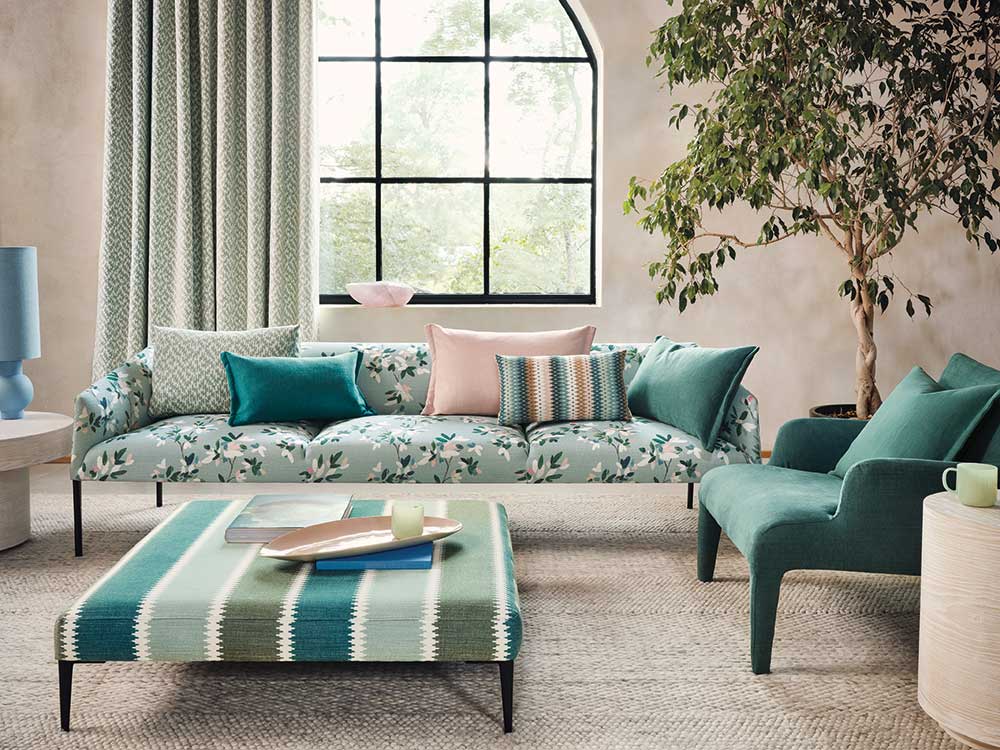
Looking for the perfect sofa, corner unit or chair to bring comfort and style to your home? Look no further! Since 1980 family-run Martin & Parker in Derby have been handcrafting high quality bespoke furniture designed and made to last. Located on Ascot Drive in Derby, they specialise in creating handmade sofas, corner units and chairs, tailored to your unique style and needs. With over 45 years of experience and with a loyal customer base, they take pride in exceptional customer satisfaction. Visit them today to experience the craftsmanship that has made them a trusted name in furniture. Whether you have your heart set on a specific piece or you would like something made uniquely for your home, come to Martin & Parker. Their extensive furniture range is handcrafted by their skilled and talented team. A vast number of pre-made pieces are on display while they also craft bespoke furniture in line with your specification. For people with a discerning taste in soft furnishings and sofas, 1980 was a good year. It was the year that they opened their first sofa factory. Their aim was to produce quality, handcrafted soft furnishings and sofas and soon built a reputation for the quality of their excellent products. Martin and Stephen are very proud of their skilled craftspeople and their numerous, happy clients have since provided testimonials to say they too are very pleased with their work. They rapidly grew and went from strength to strength. If it’s a piece of handcrafted, upholstered furniture look no further. Based in Derby they produce bespoke furniture made from the finest materials in line with your customer specification. Each piece is handcrafted in their workshop to provide you with many years of uninterrupted comfort. Getting the measurements right is crucial, so for customers who would like a piece of furniture made for an alcove, corner or even a boat they provide a made to measure service. Martin & Parker provide a contract service for companies in the licenced and leisure industries. Over the years, a number of reputable companies and establishments have used their corporate service, all have received a first-class product as well as unrivalled customer service. Martin & Parker also offer a re-upholstery service from their Derby workshop. What’s more they stock a co-ordinated range of soft furnishings to compliment your main furniture, including window dressing with their custom made curtains and blinds, including swags, tails, tab tops, eyelets, pencil pleats and pinch pleats. All of their curtains and blinds are made to measure. Providing a soft feeling under foot and patterns to add to your interior, carpets are a stylish addition to your home. At the Martin & Parker showroom, they stock an extensive range of modern, attractive carpets from leading flooring companies Corman Carpets and Abingdon Flooring. When it comes to supplying high quality wicker, cane or rattan furniture for your conservatory Martin & Parker is the only place to go. With styles and designs to suit every taste, all of their conservatory furniture is supplied by Daro, an industry-leading company. The Daro company name has always been synonymous for their top quality handmade products. Handmade furniture is a wonderful addition to any home and there is only one place to go for handcrafted brilliance. With our illustrious range of chairs, two and three seater sofas, sofa beds, armchairs and footstools you’ll find exactly what you are looking for at Martin & Parker. Check them out now on Ascot Drive in Derby. 00
Derbyshire Makers – Rockfall

Founded in 1997, family-owned Rock Fall has revolutionised the health and safety footwear industry, while remaining loyal to their grand Derbyshire roots. During a conversation with one of the Directors, Richard Noon, Richard explained the growth and development of Rock Fall from their humble origins. “We started in the markets back in the late eighties selling slippers and sports trainers. Eventually, we moved into retail shops, but the market had become saturated with people selling footwear. So, the decision was made to specialise in developing a new brand of safety footwear.” Rock Fall are now a prominent industry player winning awards such as ‘Best Innovation in Footwear’ at the Annual Professional Clothing Awards in 2017, 2018 and 2019. An amazing three years in a row! We can understand why these awards were well deserved by looking at their array of new and innovative products such as the RF002 Zinc. This fully conductive trainer is an industry first in Europe, and was designed in collaboration with contractors in the aerospace and defence industries to counter explosive atmospheres. They herald health and safety, not only as an integral principle, but also as a creative canvas, allowing them to stand at the forefront of the safety footwear industry. Using world first innovations to provide safe, durable footwear that can withstand the most extreme challenges and environments. Now into their second generation under the care of Stephen’s sons, Richard and Matthew, their head offices are on Wimsey Way, Alfreton. Locals may have spotted the famous, red three-mountain logo atop the business. Working solely with world-leading component manufacturers such as LWG-accredited tanneries, FORCE10, BOA and Ortholite, Richard explains how their business operates. “Regarding our customers, we don’t sell directly to the consumer, but supply businesses via Authorised Distribution partners who work closely with major end-users.” While they don’t deal directly with the customer, they ensure the businesses they supply have the diverse products needed to suit every industry each step of the way. Richard gave us a little more insight into the company’s current developments, and future plans. “We’re opening up distribution warehouses across the globe. We currently have one in America, and are opening another in the Republic of Ireland, and the Netherlands. We also have plans for the Middle East and Africa. Regarding UK production, we have plans to open a new factory on the outskirts of Manchester by September 2025. Furthermore, we’re looking into other markets, such as hiking and leisure.” Richard and his team are no strangers to choppy waters, but they have sailed through with a positive attitude and mindset. “The key is to keep adapting. We follow market trends closely and always try to stay ahead of the game. Don’t get us wrong, COVID-19 certainly wasn’t a glamorous year, but we adapted massively during 2020, including putting up gazebos so our guys could sell shoes outside shops. I wouldn’t say it’s a positive, but we made the best of a bad situation!” The number of world firsts that document their success indicates their ability to grow as a brand. Each boot is carefully curated and meticulously designed for each industry, regardless of the wearer’s gender. As one of the only British brands to release a range of women’s safety footwear, they are light-years ahead regarding social vision. Speaking of championing equality, they are even verified by the Vegan Society. As per their mission for sustainability, they have delivered on their promises by using fully recyclable shoe boxes with renewable and biodegradable soy ink and installed LED lighting across the business to reduce the amount of CO2 previously produced by 15 tonnes per year. The future for Rock Fall looks very bright, as Richard spells out in no uncertain terms his ambitions. “We have many new products coming through which use hugely sustainable properties, such as bio-based and recycled materials. We are looking towards smart footwear, including footwear that identifies foot issues. One particular product, where the wearer taps their feet together twice and the emergency services will be automatically called, is in the pipeline. This is perfect for high-risk environments such as security personnel. We’re even working on one that can measure the sweat content that the wearer produces which from there could measure potential health issues.” Most importantly, we are assured they’ll continue to keep their Derbyshire roots, and maintain their triumphant position as offering the industry’s finest boot. 00
Walk Derbyshire – Alport to Middleton

One of my favourite childhood walks is here from Alport to Youlgreave. It is one of the largest Peak District villages steeped in history and it is absolutely beautiful here. I am sure when you finish the river walk and then head to the village, you will look at all the gorgeous stone cottages and wish like myself, that you lived here to enjoy it every day. Lathkill Dale walk starts from the same spot but in the completely different direction – one we will cover in coming months as this is just as stunning. In the village All Saint’s Church dates back to 1130! It still dominates the centre of the village. It has a beautiful stained glass window which was made by William Morris. There is a lot of history in the village with ancient listed buildings still standing included Thimble Hall c1650 which is in the Guinness Book of World Records as the world’s smallest detached house. You will also walk past the beautiful Co-operative society building in the centre from 1870 which is a lovely three-storey building and is now home to Youlgreave Youth Hostel. Noted on this walk is the stunning wild water swimming spot which is very clearly signed. It was originally built so that farmers could clean their sheep before sheering but do not let this put you off!! It is a beautiful clear but unbelievably cold wild swimming spot. If you love enjoying stunning views and walking by water then this is for you. It is so picturesque and typical Derbyshire. THE WALK :: THE WALK :: THE WALK This walk can be cut short in a few different areas so I will give three options of lengths for you. Be warned, the shortest route does have a rather steep climb up a road. Here we park in the little layby on Alport Lane or if this is full you can park carefully up the hill. We start the walk from the junction of the river Bradford and head right from the main road. After a few yards you will head through a white gate. A little stream of the river will be on your right and high rocks will be on your left. Keep your eyes out as there are a few caves worth exploring and children will love to go and have a look at these. Continue along and you will pass another gate. Coming straight to a lovely little bridge on your right. Here in the summer you can paddle in the stream. The water is unbelievably clear and freezing cold. Carry on until you come to another gate and you will be on the bottom of Mawstone lane. Follow straight across this road with the river still on your left hand side. Sometimes in the summer you will find an ice cream van here at the bottom of the lane. Across through the bulrushes, keeping an eye out for the most beautiful river bird, the kingfisher. Carry on the main path. You will come upon a natural swimming area on your left. This has really gained popularity since the rise of cold water swimming and the benefits it brings. We recently walked here in February and ladies were still swimming! The water is so cold here but in the summer it can be a refreshing dip. Just up from the swimming pool is a lovely section where you can just dip your toes and have a paddle if you are not so brave as those ladies! Follow the path as the river winds, all the way to the end where there is a gate and you will see a white house just part way up the hill on your right. When I was a little girl, this used to be a lovely tearoom where we spent many an hour having ice creams after the walk. Sadly for me, this is now just a residential home but a beautiful one at that. First walk short cut… Here is the first of the short cuts – you can head straight up the road to the right where you will come out into Youlgreave itself and then head right up Holywell Lane where you will go down the main road to your car. We are now going to go through the gate and cross the little bridge to the left and head immediately right, the river will now be on our right hand side. Along this path there are places to stop and admire the beauty of the water and the nature to be found there. My friend and I said this would be a perfect spot for an artist to bring a flask and an easel and just sit and draw. It is very tranquil. Carry on past the river where we go through another gate. Second short cut… Here is another short cut – we are going to head right over the bridge. You then go right through the wall and follow the path all the way up – this is very muddy most of the time as it is under the cover of trees. You now have the river on your right. Be careful as this is quite steep! We head all the way to the top. Thankfully there is a handily placed bench here! Take a moment to gather your breath. You know you are on the right bench when immediately in front of you is a beautiful allotment garden. From here we take care to cross the road and head down into Youlgreave village itself. A few yards on the left are public toilets. Keep to the left as there isn’t a path as such but a marked walkway and the road is quite narrow. A little further down you will pass a huge cricket pitch and playing field with a park; a must to stop at on a summer’s day and have a picnic with family and friends. Carry on into Youlgreave
Celebrity Interview – Michael Maloney

by Steve Orme …the difference between a theatre Poirot and a TV Poirot is it has to be more active. You don’t have the luxury of a television or film close-up When someone mentions the Agatha Christie character Hercule Poirot, who comes to mind: David Suchet who played the Belgian detective on television for 20 years? Or do you recall Peter Ustinov, Albert Finney or even Kenneth Branagh in the role? Now another actor is hoping to put his own stamp on Poirot: Michael Maloney. Michael has been acting for more than four decades. He’s been on several theatre tours, performed with the Royal Shakespeare Company and has appeared in more than 30 films. On television he’s taken parts in everything from Midsomer Murders and Death In Paradise to the 2022 BBC series Magpie Murders by Anthony Horowitz in which he played publishing boss Charles Clover. Now Michael who spent a year at a school in Long Eaton is preparing for what could be his biggest challenge since he played Shakespeare’s Hamlet at the age of 47: Hercule Poirot in Murder On The Orient Express. How did he get the part? “It was a great day. It was my birthday and I was going on a river trip, my birthday treat from my partner Katie. And I got an email. It said would I be interested in going up for the part of Hercule Poirot? “It never occurred to me that this part might be a possibility. That was what was so interesting about it. So I said let’s have a look. “I chatted with the director Lucy Bailey and she was sensational. Two weeks later we started having a look at the play and that was great.” Michael who chats with enthusiasm and passion about his profession isn’t worried about being compared with other great actors who have played Poirot. “You’re never far away from other people’s contributions. I’ve watched Kenneth Branagh a lot, I watched Albert Finney before that. I’ve watched of course David Suchet who’s dominated our TV screens. Even now you can see him in a Poirot every hour of the day almost anywhere around the world. I take these performances with me – I don’t reject them.” Murder On The Orient Express has been described as “one of Agatha Christie’s greatest literary achievements, with a final twist that is among her very best”. It has been performed a few times in this country but this will be the first British tour of the play which has been adapted by American playwright and screenwriter Ken Ludwig. “Ken has given us a lot of humour,” says Michael. “The difference between a theatre Poirot and a TV Poirot is it has to be more active. You don’t have the luxury of a television or film close-up – it has to be more expressive. You have to use language to create close-ups with the voice. “You can get lots of character traits from the book from which you can use your imagination.” Michael points out that the stage play was commissioned by the Agatha Christie estate which manages the rights to Agatha Christie’s works around the world. That means it won’t stray too far from the original. “The estate has managed to produce something that’s extremely worthwhile and they’re happy with it. I think that’s very important. “People come to the show saying ‘I know the story, so let’s see what else you’ve got on offer.’ At the end of the show, should you meet them, they might go ‘I had no idea that’s what happened in Murder On The Orient Express. I knew the story but I wasn’t expecting that.’ There’s a lot that one doesn’t remember. And so we can exploit that.” Michael Maloney was born on 19 June 1957 at Bury St Edmunds in Suffolk. His talents were spotted before he left drama school and he secured his first television part as well as making his West End stage debut when he was 22. He says Nottingham has a special place in his heart because he fondly remembers seeing Peter O’Toole in Samuel Beckett’s Waiting For Godot at Nottingham Playhouse in 1971 when Michael was 14. But the theatre landscape has changed considerably since then, mainly because theatres are struggling financially. Without getting too political Michael thinks this is something that has to be addressed at national level. “When I went to see Waiting For Godot, there was an extraordinary number of people there including the future head of the National Theatre, Richard Eyre, who was artistic director at the Playhouse. There were also people who went on to dominate the national landscape including playwrights David Hare and Howard Brenton, and all sorts of actors. All this has gone missing. “My daughter Martha has just graduated from Bristol Old Vic Theatre School. That will close in two years’ time. “The theatre industry brings billions into the country. The government has to see the value in theatre and the arts and has to help with the financing because local councils can’t afford to put their money into the arts when they’ve got people who are on the breadline, to put it politely.” In 1999 Michael appeared on the Nottingham Playhouse stage alongside Peter Bowles, who grew up in Hyson Green, in Anthony Shaffer’s Sleuth. Five years later Michael played Hamlet on the Theatre Royal stage at the age of 47. A few eyebrows were raised because of Michael’s age; Shakespeare describes Hamlet as being about 30. Since then Sir Ian McKellen has played the tragic character – and he was 82. This gives Michael, who has played Hamlet twice, optimism: “Maybe I’ll get a third go at it. Interestingly enough I quote a lot of Hamlet in this production of Murder On The Orient Express. Ken Ludwig is such a Shakespeare buff as well as a Shakespeare scholar and expert. So it’s a real pleasure to be quoting those lines again.” Michael admits that Hamlet is in