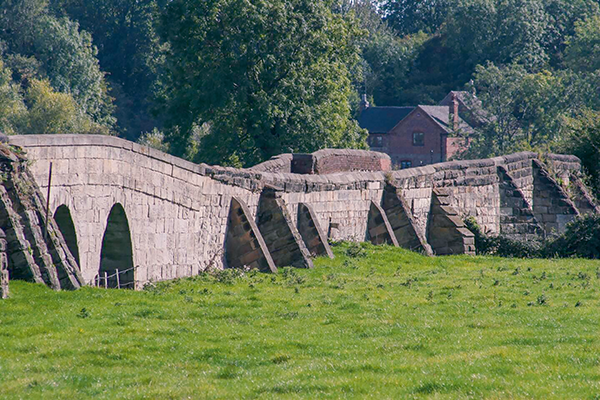

Across the Peak District, habitats are becoming increasingly degraded and fragmented, leaving wildlife with fewer places to feed, shelter and move. The result is a landscape that may seem wild and thriving at first glance, but look closer and some of the crucial pieces are missing.
This summer’s heat and drought have once again shown how vulnerable our landscapes can be. As the region faces increasingly extreme weather, restoring those missing pieces and creating more resilient landscapes through natural processes is becoming more urgent than ever.
Now, an appeal is under way to raise £100,000 by 31 October to support vital work to restore and reconnect these habitats, not only helping create the conditions for wildlife to return and thrive, but also bringing wider benefits such as storing carbon, holding back water and improving water quality.
Derbyshire Wildlife Trust’s Wild Peak appeal is urging members, supporters and the public to help make the landscape more resilient to the pressures of climate changes and put some of those missing pieces back into one of Britain’s most iconic landscapes, right here in the heart of Derbyshire.
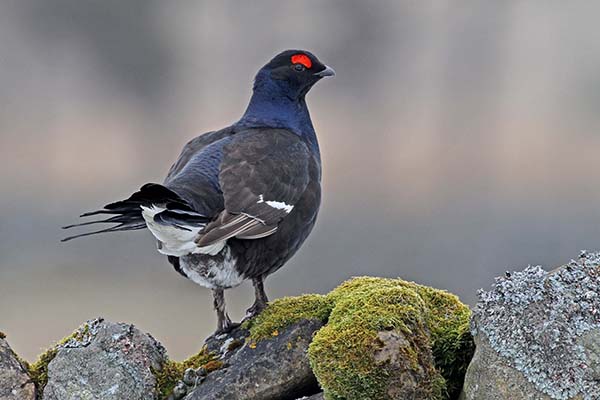
Once a familiar sight on the Peak District’s moors, black grouse were famous for their spectacular springtime displays, where males gather to lek and compete for a mate. Today, they have disappeared from Derbyshire’s uplands.
The loss of the black grouse is about more than one missing bird. It tells us something bigger is missing from the landscape. The habitats, connections and conditions wildlife needs to thrive are missing too.
Black grouse are not alone. Species such as the red-backed shrike, once a common bird across the UK has disappeared from our landscapes. Flowers that were once abundant in fields and meadows, like the maiden pink are also becoming increasingly rare across the peak district landscape.
The good news is that nature can recover. There is now an incredible opportunity to restore and reconnect habitats across the Wild Peak, creating the conditions wildlife needs to return to the landscape once again.
Derbyshire Wildlife Trust is already working alongside farmers, landowners, communities and partners to create a richer, wilder and more connected landscape across the Wild Peak. Working together, we can give nature more space to recover while making the landscape better able to withstand the pressures it faces. But nature recovery takes time, and it needs all of us.
The Wild Peak appeal aims to raise £100,000 by 31 October to support Derbyshire Wildlife Trust’s work to create a wilder, more connected landscape, putting some of the missing pieces back where they belong.
Joanna Hill, Wild Peak Programme Manager at Derbyshire Wildlife Trust explains:
“The Peak District is a beautiful and much-loved landscape, but some of the wildlife that once belonged here is missing. The black grouse is a powerful symbol of that loss but it is also a reminder of what could be possible if we give nature the space and connections it needs to recover.
“We have an incredible opportunity to help nature recover across the Wild Peak, but we need to act now. Raising £100,000 by 31 October will help us make the most of this opportunity and start putting those missing pieces back.
“The appeal is about much more than bringing back individual species. By restoring habitats and reconnecting fragmented parts of the landscape, the project can help create more resilient habitats and better conditions for a much wider range of wildlife, while protecting the places people come to enjoy, explore and connect with nature.â€
To support the Wild Peak Appeal and donate, visit the Derbyshire Wildlife Trust website between now and 31 October.
The Trust is calling on the public, local businesses and supporters to help raise the funds needed before the 31 October. Anyone wishing to make a donation can do so online, by phone on 01773 881188, or by post to FREEPOST RTSR-CJZZ-HLYS, Derbyshire Wildlife Trust, Sandy Hill, Middleton, Matlock DE4 4LR (no stamp needed).
This appeal is part of Derbyshire Wildlife Trust’s ambitious Wilder 2030 Fund, a five-year plan to raise £5 million to support the Trust’s vision for a Wilder Derbyshire by 2030.