
When we think about the places where health is created, we tend to think first about GP surgeries, hospitals, pharmacies. But some of the most important influences on our health happen somewhere else entirely: in the ordinary places where people move, meet, form relationships and feel that they belong.
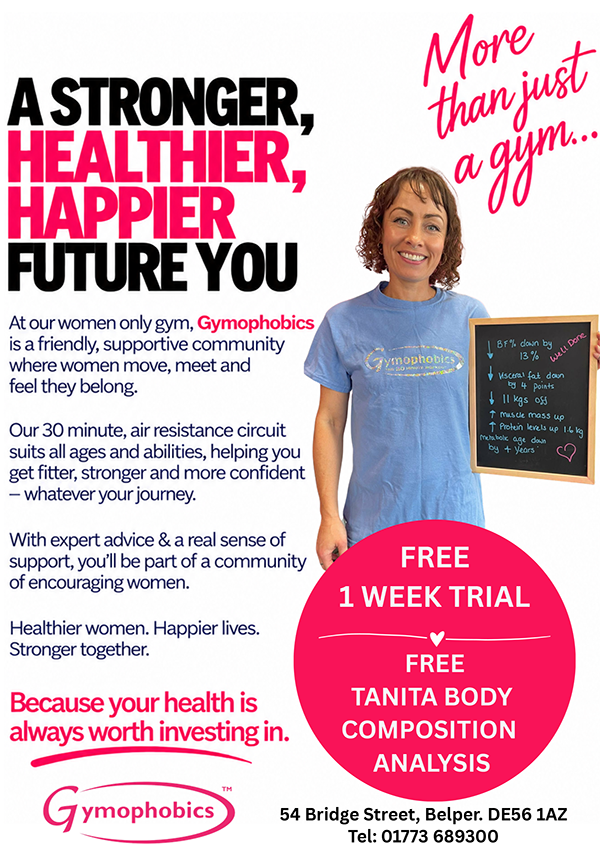
My local Gymophobics is a brilliant example.
On the surface, it is a women’s gym. Women join because they want to become fitter, stronger or more active . But spend any time there and it becomes apparent that exercise is only part of what is happening.
The members are women of different ages, shapes, sizes and backgrounds, navigating all the complexity of ordinary life. Some are living with long-term conditions. Some are recovering from illness or undergoing treatment. Others have experienced bereavement, menopause, chronic pain or changes in confidence and identity. Women who might otherwise never have met find themselves exercising alongside one another, talking, sharing experiences and building friendships.
And the community extends well beyond the gym floor.
There are group walks and monthly challenges, an active WhatsApp group, charity events and opportunities to learn about health. Talks have covered areas including pelvic health, skin health and chronic pain, while conversations naturally encompass sleep, nutrition, stress, movement and the wider pillars of lifestyle medicine. Successes are celebrated, difficult days are acknowledged and people notice when somebody has disappeared for a while.
None of this appears on a prescription. Yet all of it contributes to health.
Gymophobics creates something healthcare often struggles to manufacture: the conditions in which healthier lives become possible. It provides movement, but also connection, confidence, encouragement, purpose, knowledge, mutual support and belonging. It makes physical activity something women do with other people, rather than another health behaviour they have been instructed to undertake alone.
That makes it a community health asset.
This distinction matters as we talk increasingly about neighbourhood health and moving care from hospital to community. Neighbourhood health cannot simply mean relocating NHS services into buildings closer to where people live. A genuine neighbourhood health system needs to understand the neighbourhood itself: its people, relationships, organisations and the places where health is already being created.
Healthcare cannot ‘own’ Gymophobics, turn it into a clinical service or create a complicated referral pathway into it. But we should be interested in it. We should know that it exists, understand what it offers, champion it and, where appropriate, help people discover it.
There will always be questions about access: membership has a cost, opening hours will not suit everybody and no single community asset will work for everyone. But perhaps that makes understanding the full range of assets within our communities even more important.
Because Gymophobics demonstrates something easily missed in traditional healthcare: health is not only something delivered by healthcare professionals.
Sometimes it is being created quietly, every day, in the places where people move, connect, laugh, learn and feel that they belong.
Dr Jane Packer (she/ her)